 Skip to content

How to apply for a loan in 2026 compared to 1996
- Emma
- Finance, I Need Cash
Takeaways
- Applying for a loan in 2026 is faster and more digital compared to the paper-based process of 1996.
- Online applications now allow borrowers to manage the loan process without in-person visits, gathering documents, or waiting extensively for responses.
- I Need Cash offers a streamlined application that helps users identify their needs, organize requests, and prepare necessary documents efficiently.
- Loan eligibility criteria remain crucial, as lenders evaluate numerous factors including credit history, income, and debt obligations.
- Modern loan processes provide more control and transparency, enabling borrowers to respond quickly and track status throughout the approval timeline.
Table of contents
- What has changed about applying for a loan since 1996?
- A faster way to start your loan search – apply for a loan
- The 2026 loan approval steps are more connected
- 1996 and 2026 compared at a glance – when you apply for a loan
- Loan eligibility criteria still matter
- Personal loans and the FCA – when you apply for a loan
- Pricing depends on the loan offer you choose
- Start your application with more confidence – apply for a loan
Applying for a loan in 2026 is faster, more digital, and easier to compare than the branch-and-paper process many borrowers remember from 1996. With I Need Cash, you can start with a quick loan application, review possible loan options, and move toward the type of financing that fits your situation. I Need Cash is here to help you get the type of loan you are looking for.
What has changed about applying for a loan since 1996?
The biggest change is that borrowers can now begin, submit, and manage much of the loan process online instead of relying on in-person visits, mailed forms, phone calls, and faxed documents. In 1996, applying often meant gathering paper pay stubs, waiting for callbacks, and comparing offers one lender at a time. In 2026, the personal loan process can begin from a phone or computer, and many lenders use secure digital forms, electronic document uploads, and faster communication.
What has not changed is the core decision behind every loan. Lenders still review loan eligibility criteria such as identity, income, credit profile, debt obligations, requested loan amount, and ability to repay. For mortgage applications, the process for the lender to make a decision often takes much longer than a personal loan. In some cases a over a week or make require further information to be provided.
A faster way to start your loan search – apply for a loan
I Need Cash is designed for people who want a simpler way to apply for loans without guessing where to begin. Instead of treating every loan type as the same, the application experience helps you think through what you need, how much you may want to request, and which general path may make sense before you move deeper into lender review.
Use it when you want to reduce friction at the beginning of the loan processing timeline. A good start does not guarantee approval, but it can help you avoid incomplete information, unclear goals, and delays caused by missing documents.
With I Need Cash, you can start with:
- A quick loan application that helps organize your request in one place.
- Loan-type direction for common needs such as personal loans or home-related financing.
- A clearer view of next steps before you spend time completing lender-specific forms.
- Practical preparation around documents, eligibility factors, and approval expectations.
- A modern application experience built for today’s borrower, not yesterday’s paperwork routine.
The 2026 loan approval steps are more connected
A modern application usually moves through a predictable sequence. The exact loan processing timeline depends on the lender, loan type, documentation, verification needs, and whether collateral or property review is involved. A small personal loan may move differently from a mortgage or FHA-backed loan, so the best approach is to be accurate, responsive, and prepared from the beginning.
Typical loan approval steps include:
- Choose the loan purpose. Decide whether you need funds for an emergency expense, debt consolidation, home purchase, repair, or another permitted use.
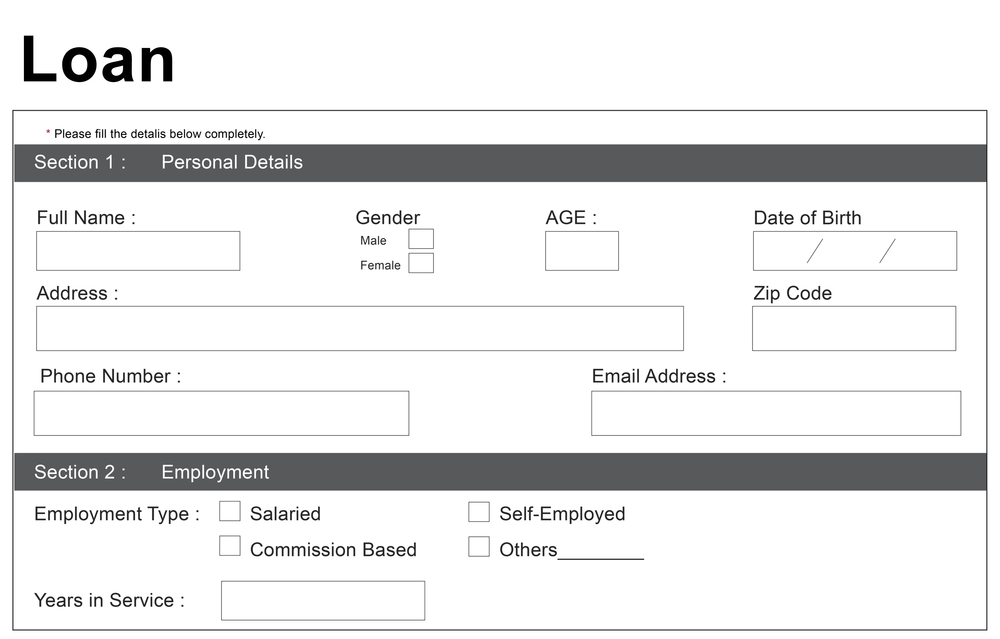
- Start the application. Provide basic identity, contact, income, employment, housing, and requested loan amount information.
- Review eligibility factors. Lenders may evaluate credit history, income stability, current debts, repayment capacity, and loan-specific requirements.
- Upload or provide documents. This may include identification, proof of income, bank information, tax documents, mortgage paperwork, or property information.
- Compare available terms. Look at payment amount, interest rate, fees, repayment period, and total cost before accepting an offer.
- Complete verification. The lender may confirm information, request clarification, or perform underwriting.
- Receive a decision and finalize. If approved, you review final disclosures and complete any required signatures before funding or closing.
This connected flow is where 2026 feels very different from 1996. The borrower can often respond quickly, upload missing items, and track communication without waiting for postal mail or repeated branch appointments.
1996 and 2026 compared at a glance – when you apply for a loan
The old process was not necessarily less careful, but it was often slower and less transparent for the borrower. Today’s process gives applicants more ways to prepare, compare, and move forward efficiently.
| Part of the process | Applying in 1996 | Applying in 2026 |
|---|---|---|
| Starting point | Branch visit, phone call, paper packet | Online form, mobile-friendly application, digital intake |
| Documents | Paper copies, mail, fax, in-person drop-off | Secure uploads, electronic records, faster requests |
| Comparison shopping | Separate conversations with individual lenders | Easier side-by-side review of available options |
| Communication | Mail, voicemail, office hours | Email, text, portals, phone, and digital updates |
| Timeline visibility | Often unclear until a representative followed up | More status tracking and faster document correction |
| Borrower control | Heavily dependent on office workflows | More ability to start, review, and respond anytime |
The practical benefit is not just speed. It is control. When you know what lenders need and how the steps fit together, you can submit stronger information the first time and avoid preventable back-and-forth.
Loan eligibility criteria still matter
Even with a quick loan application, lenders still need enough information to decide whether a loan is responsible and affordable. Eligibility is not based on one detail alone. A lender may consider several factors together, and different loan products can have different standards.
Prepare these items before you apply:
- Government-issued identification or other identity verification.
- Current contact information and residential address history.
- Income details, such as wages, self-employment income, benefits, or other sources.
- Employment or business information, when applicable.
- Monthly housing costs and other debt obligations.
- Requested loan amount and reason for borrowing.
- Bank account details for payment setup or funding, if required.
- Property address and estimated value for many mortgage applications.
For mortgage applications, key information that will help that can trigger the Loan Estimate requirement, including the consumer’s name, income, pay slips, property address, estimated property value, and mortgage loan amount sought. Having these details ready can make the early part of the loan processing timeline smoother.
Personal loans and the FCA – when you apply for a loan
A personal loan process is often focused on the borrower’s credit, income, debts, requested amount, and repayment terms. Many people use personal loans for defined expenses where they want a fixed repayment plan. Because there is usually no home ownership involved, the path may be simpler than a mortgage, though approval and timing still depend on the lender and the applicant’s information.
In April 2014, the Financial Conduct Authority took over the regulation of consumer credit firms – previously they had only overseen the secured loan market. This change brought about a significant number of changes in the industry. This included:
- limiting the number of loan roll-overs to two
- restricting (to two) the number of times a firm can seek repayment using a continuous payment authority (CPA)
- a requirement to provide information to customers on how to get free debt advice
- requiring debt management firms to pass on more money to creditors from day one of a debt management plan, and to protect client money
The introduction of the new regulatory rules, brought in a new era of consumer protection. Ensuring individuals were offered the right type of finance for their personal circumstances. One of they key factors for consumers would be all loan offers would only be approved if the customer can comfortably afford the repayments.
Pricing depends on the loan offer you choose
Loan costs are not one-size-fits-all. Your final pricing may depend on the loan type, lender, credit profile, income, repayment term, collateral, market conditions, and fees connected to the product. That is why it is important to review the full offer, not only the monthly payment.
When you compare loan options, look for:
- Interest rate or annual percentage rate, when provided.
- Origination, application, closing, or other lender fees.
- Repayment term and total number of payments.
- Monthly payment amount and due date.
- Prepayment rules, late fees, and other conditions.
- Whether the rate, payment, or fees can change.
For mortgage loans, official disclosures are especially important because they help borrowers compare estimated costs and terms before moving forward. The CFPB notes that after receiving a Loan Estimate, borrowers decide whether to proceed, and waiting more than 10 business days can allow a lender to revise terms and estimated costs. (consumerfinance.gov)
Start your application with more confidence – apply for a loan
The best time to organize your loan request is before you are under pressure. If you know the amount you need, the reason you need it, and the documents that support your application, you can move through the 2026 process with fewer surprises. That preparation matters whether you are exploring a personal loan process, reviewing the FHA loan application process, or simply trying to understand how to apply for loans today.
Start with I Need Cash to take the first step. Complete a quick loan application, provide accurate information, and review the next steps for the type of loan you are looking for. The modern process is built to move faster than 1996, and a prepared borrower is in the best position to use that speed wisely.
Related links