 Skip to content
Used Car Loans Made Simple: A Beginner’s Guide to Stress-Free Car Buying
- Emma
- Car Finance
Estimated reading time: 9 minutes
Summary
- The UK’s used car market saw over 7 million transactions in 2023, making used car loans popular for budget-conscious buyers.
- New cars depreciate quickly, losing 40-60% of their value, making used cars a financially wise choice.
- Buyers must be cautious, as one in four used cars has a hidden history like theft or damage.
- To secure the best used car loans, check your credit score, compare lenders, and consider larger deposits to lower rates.
- Always conduct thorough inspections and test drives to avoid costly mistakes before finalizing any purchase.
Contents
The UK’s used car market saw over 7 million vehicles change hands in 2023, and this growth continues strong in 2025. Used car loans have become a popular choice, and with good reason too.
New vehicles lose about 40% of their value in just one year. Their value drops even further – up to 60% by the end of three years. This steep loss of value makes pre-owned vehicles an attractive choice for buyers watching their budget.
Equally, used car buyers need to be careful. Studies show that one out of every four cars has a hidden history. This can include theft, damage, or unpaid loans.
Getting the best used car loan rates is straightforward. This piece guides you through everything you need to know about comparing auto loans and finding the best rates.
We will explain how to find out interest and why checking a car before buying it is important. On the whole, this will help you avoid costly surprises. Let’s head over to make your used car buying experience smooth and successful!
Understanding Used Car Loans

Image Source: Poonawalla Fincorp
Used car loans are a practical way to finance your next pre-owned vehicle. Many people decide to pay for a used car with financing. This approach has become more popular and makes better financial sense than buying new vehicles.
What is a used auto car loan?
A used auto car loan lets you borrow money to buy a pre-owned vehicle. Buying a used car makes good financial sense since new vehicles lose between 15-35% of their value in just the first year. The average used car costs around £21,071 as of October 2023, which means financing is the way to go for many buyers.
You can get used car loans from several sources:
- Banks and credit unions (most common providers)
- Car dealerships
- Online lenders
The process starts with an original deposit and continues with fixed monthly payments over an agreed period.
How interest rates work
Lenders charge higher interest rates for used car loans than for new cars. They consider used cars to be riskier investments. Recent data shows used car loan APRs average 11.35%, which is higher than rates for new vehicles.
Car loans use simple interest rather than compound interest, so you pay a flat percentage on the borrowed amount. You may find more interest loaded into earlier payments.
Your interest rate depends on several factors:
- Credit score (higher scores often mean lower rates)
- Loan term length (shorter terms may have lower rates)
- Deposit amount (larger deposits can reduce your APR)
- Vehicle age and condition
- Current base interest rate set by the Bank of England
Loan terms and repayment options
Experian’s latest data shows used car loans average about 67.4 months, with 72 months being the most common term. Loans up to £15,000 usually offer terms up to 60 months, while larger loans over £15,000 might stretch to 96 months.
Monthly payments become more affordable with longer loan terms, but you’ll pay more interest over time. Paying extra helps lower your total interest and makes your loan shorter.
Furthermore, most lenders let you repay early, though some interest charges might still apply. For this reason, you should understand the total amount and all fees before you sign any agreement.
How to Get the Best Used Car Loan Rates

Image Source: Investopedia
Getting a good deal on the best used car loans rates starts with knowing what affects them. You can control some things that will affect your interest rates.
Check your credit score first
Your credit score is a vital factor that determines your interest rate and loan approval chances. Lenders look at this score to figure out if you’ll pay back the loan on time. Better credit scores usually lead to lower interest rates and better loan terms.
You can check your score for free through:
- Money Saving Expert Credit Club (uses Experian)
- ClearScore (uses Equifax)
- Credit Karma (uses TransUnion)
If you find problems on your report, fix any errors, reduce your existing debts, and get on the electoral roll to boost your score.
Compare lenders and pre-qualify
Avoid accepting the first offer you come across. Compare rates from multiple lenders to get the best deal. Many lenders let you pre-qualify through a “soft search” that won’t hurt your credit score. This shows you how likely you are to get approved and what rates you might get before you actually apply.
Pre-approval helps you set a clear budget and gives you better bargaining power at the dealership. Plus, if you submit all your pre-approval applications within two weeks, you’ll minimise the hit to your credit score.
Tips to get the best rates for used car loans
Here’s how to get the best terms:
- Make a larger deposit to borrow less
- Pick a shorter loan term if you can handle bigger monthly payments
- Think about trading in your current vehicle if it’s worth more than you owe
- Double-check that all your application details are correct
- Only ask for what you can actually afford
Note that longer repayment terms mean smaller monthly payments but you’ll pay more interest overall.
Steps to Take Before Buying the Car
You’ve got good used car loans rates. The next important step is to assess the vehicle. Smart steps before buying can help you avoid mistakes that might get pricey later.
Set a realistic budget including loan payments
The budget needs more than just vehicle price and loan payments. We factored in insurance, car tax, repair costs, maintenance, and fuel costs. Yes, it is vital to keep emergency savings for unexpected expenses. A larger deposit (at least 20%) will lower your total costs and monthly payments.
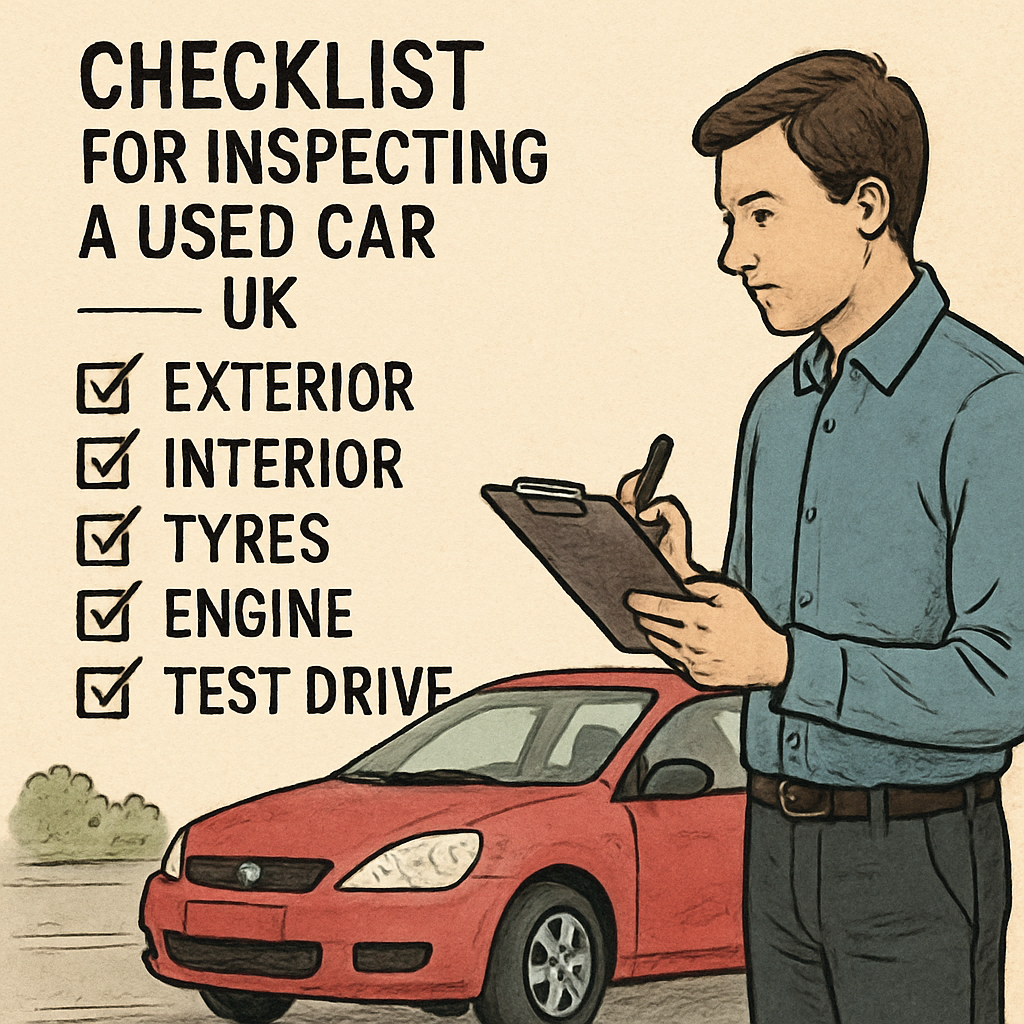
Inspect the car thoroughly
Schedule viewings during daylight hours, when the weather is dry. Look for bodywork issues in colour or panel gaps – these might show past repairs.
The tyres need adequate tread (legally must exceed 1.6mm). The area under the bonnet needs checking for fluid levels. Listen carefully for unusual engine sounds during your test drive.
Check documents: V5C, MOT, service history
The V5C registration document should have a ‘DVL’ watermark. The MOT history is available online through the government’s checker service. The full service history shows the vehicle’s maintenance history.
Use a checklist or bring a mechanic
The best way to stay safe is to get expert inspection services before you make a purchase. Organisations like the RAC offer these starting from £116, and so does the AA.
Test Drive and Loan Completion
Your car buying experience comes down to a final test drive and getting your used car loan in order. These significant steps need your close attention.
What to test during the drive
A good test drive should take 30-60 minutes. Start the car from cold and watch if it reaches and keeps the right temperature. Switch off the radio and listen for any strange noises.
Check how well it accelerates, brakes, and shifts gears. The steering should respond smoothly without pulling sideways. In addition, take the car on different roads to get a full picture of its suspension and comfort level.
How to finalise your loan paperwork
After you’re happy with the car, you’ll need to wrap up your used car loan. Online banking transfers or banker’s drafts work better than cash, especially when you have larger amounts. Read through all terms carefully and make sure you’re completely satisfied with your purchase before sending any money.
When to walk away from a deal
Overall, your gut feeling matters. Don’t hesitate to step away if you spot mechanical problems like odd engine sounds, warning lights on the dashboard, or trouble with gear changes.
Watch out for paperwork that looks incomplete or doesn’t match up—VIN numbers that don’t align are a red flag. High-pressure sales tactics often hide deeper problems. Note that you don’t need to explain yourself to the seller, but stay polite as you leave.
Conclusion
Learning about used auto car loans can seem hard at first. But with the right information, you can feel confident when you buy a car. Used vehicles are definitely worth more than new ones, especially when new cars lose 40-60% depreciation in just three years.
A good grasp of how used car loans work gives you an edge. Your credit score plays a vital role to get better interest rates, so it makes sense to check and improve it before you apply. You should also compare multiple lenders to find the best deal instead of taking the first offer.
The car deserves as much attention as your financing options. Never skip a full inspection, document checks, and test drives. One in four used cars has hidden history that you need to uncover before you commit.
The monthly loan payment isn’t your only cost. Your budget needs to account for insurance, tax, maintenance, and fuel – these expenses can affect your wallet by a lot.
Buying a used car doesn’t need to stress you out. Take your time and do good research. Follow these steps to get a reliable and affordable car. The perfect mix of the right used car and financing keeps more money in your pocket now and later.
Related links