 Skip to content

A No-Nonsense Warranty Guide After Securing The Best Car Loan Rates
- Emma
- Car Finance
Estimated reading time: 9 minutes
Summary
- 28% of used cars face issues; a good warranty can help cover unexpected repair costs.
- When evaluating car loan rates, consider warranty coverage and your driving habits, as they impact the warranty options available.
- Understand what’s included in standard warranties, as not all parts receive the same coverage duration; know what is excluded to avoid unexpected costs.
- Those needing extended warranties should evaluate their vehicle’s age, reliability, and mileage while comparing against car loan rates.
- Smart warranty shopping involves comparing manufacturer and third-party options, looking for providers under the Motor Ombudsman code, and using comparison tools.
Table of contents
You might be surprised to learn that 28% of cars between six and 20 years old had problems. While you search for the best car loan rates, you need to plan what happens after you leave the dealership.
Firstly, a used car warranty helps cover repair costs if your vehicle has unexpected problems. Most new cars come with a three-year warranty, and some manufacturers give you five or even seven years of coverage. This matters when you look at used car loan rates. By the same token, the cheapest car loan rates shouldn’t be your only focus – a typical UK warranty lasts just three years or 60,000 miles.
Generally speaking, franchised dealerships fixed 16% of car problems for free, even after the new car warranty expired. That’s definitely good news, but don’t count on it. Warranty policies don’t usually cover “wear and tear” items like tyres, batteries, and brakes.
Moreover, a used car warranty throughout your ownership could boost your car’s resale value when you trade it in for a newer model. The peace of mind is a great bonus too.
Let’s cut through the confusion about car warranties while you compare the best used car loan rates in the UK. Here’s what you need to know – simple, clear advice to protect your investment.
Start with What You Need: Your Car and Driving Habits
The first thing to remember is think about your situation before buying a warranty. The condition of your vehicle and your driving habits are important for figuring out the coverage you need.
How your car’s age and mileage affect warranty options
Another key point is car loan rates shouldn’t be your only focus while budgeting for a vehicle.
First, check if your car is still covered by the manufacturer. Many warranties won’t cover vehicles over 10 years old or with more than 100,000 miles on the odometer. Most warranties offer less protection as your car gets older, even if you find coverage.
For instance, Volkswagen’s standard 3-year warranty starts right after delivery. However, it only covers you for 60,000 miles within 3 years, whichever comes first. Items affected by driving style might be covered just for six months or 6,500 miles. It’s important to know about these limits when you look at the best car loan rates and possible repair costs.
Why your driving style matters
Your warranty reflects both your car and how you use it. Surprisingly, several activities can void your coverage completely:
- Competitive racing or off-roading (manufacturers can check license plates against racing event records)
- Overloading your vehicle beyond its towing capacity
- Using incorrect fluids or fuel (like putting diesel in a petrol engine)
In fact, daily choices make a difference too. Drivers who rack up lots of miles might need more coverage options. When you check car loan rates in the UK, consider how much you drive each year and how you use your car.
When extended warranties make sense
Consequently, extended warranties help pay for repairs after the manufacturer’s coverage ends. These warranties work best for:
- Older vehicles that may break down more often
- Cars with known reliability issues for specific makes/models
- High-mileage vehicles facing greater wear and tear
For this reason, your car’s age, make, model, and yearly mileage affect the cost. The best way to think about this is to compare these factors with the current car loan rates. Then, decide if the extra protection is worth the cost.
Understanding Warranty Coverage in Simple Terms
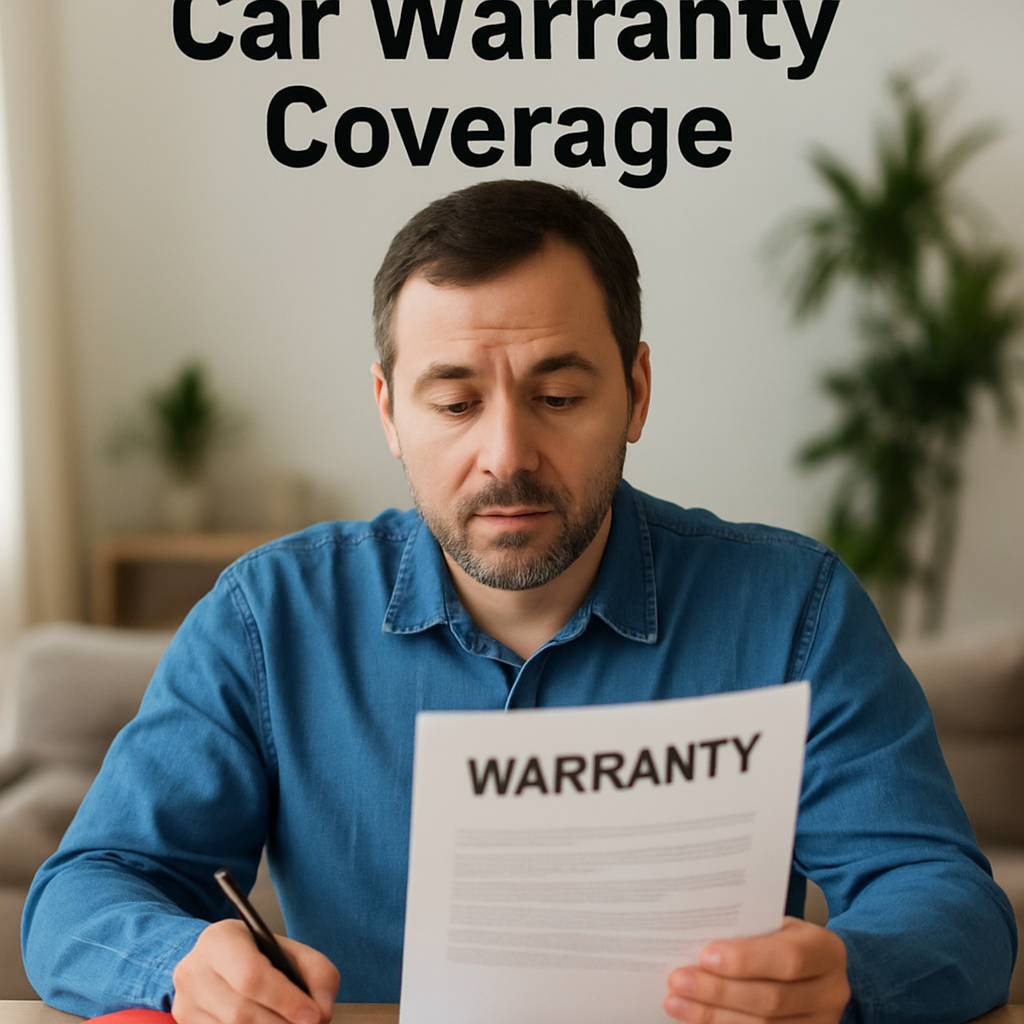
Overall, many car owners find warranty documents hard to understand. It feels like trying to read a foreign language. All the same, you need to understand what you’re paying for. This is important when you compare warranty costs to your car loan rates.
What’s usually covered in a standard warranty
For one thing, standard warranties protect your vehicle’s most expensive components. The original coverage has the engine, fuel pump, radiator, transmission system, gearbox, electrics, and air-conditioning. Most new cars come with a three-year warranty, though some manufacturers offer up to five or seven years of protection.
On the negative side, your warranty won’t cover all parts for the same duration. For example, Kia provides a seven-year warranty, but the battery and air conditioning refrigerant coverage lasts only two years. The manufacturer’s warranty protects you from mechanical or electrical failures that could cost you substantially. This lets you focus on paying off your best car loan rates without surprise repair bills.
What’s not covered and why it matters
To explain, warranty policies typically leave out:
- “Consumable” or “wear and tear” items like tyres, batteries, windscreen wipers, brakes, and clutches
- Routine maintenance tasks such as oil changes and general servicing
- Damage from accidents, collisions, or improper use
- Pre-existing issues before purchasing the warranty
In brief, these exclusions matter because they represent extra costs beyond your used car loan rates that need separate budgeting.
How to read the fine print
For those reasons, your warranty document needs careful review for these key terms:
- “Betterment” clauses that might require payment if your car gets repaired with higher quality parts
- “Consequential loss” exclusions where damage to an uninsured part affects a covered component
- Labour rate limitations that might not cover the full repair cost
- Mileage limits that can end coverage early (e.g., a three-year warranty with a 60,000-mile limit will expire when you hit either milestone)
Meanwhile, some warranties raise your excess as your mileage increases—an extra cost to think about among your best used car loan rates.
Avoiding Common Warranty Pitfalls
Car warranty small print contains hidden traps that could catch you off guard. Many car owners only find these pitfalls after their claim gets denied, leaving them stuck with unexpected costs beyond their best car loan rates.
How missing a service can void your warranty
In time, your coverage may become invalid if you skip or delay scheduled maintenance. Manufacturers set specific service intervals and with good reason too. Therefore, your provider can refuse claims if you miss oil changes, filter replacements, and basic upkeep.
A warranty worth thousands could become void if you’re just one month late for a service. You should stick to your vehicle’s maintenance schedule. Likewise, keep clear records of all services done. This helps keep you safe.
The risk of using non-approved garages
Unlike what many believe, dealership service centres are not your only choice. Block Exemption Regulations still apply in the UK after Brexit. These rules mean that manufacturers cannot cancel your warranty if you use an independent garage for repairs.
In particular, the garage must follow certain rules. It should stick to the manufacturer’s instructions, use the right parts and fluids, and keep good records. Similarly, make sure you get an itemised invoice that shows all completed work.
Why some claims get rejected
In spite of the above, your warranty provider might deny claims for several other reasons:
- Pre-existing issues that existed before coverage began
- Unapproved changes to the vehicle
- Using the car for prohibited purposes (like racing)
- Starting repairs without getting permission
Some providers might cite “wear and tear” exclusions or betterment clauses. If you get rejected, ask your provider for a written explanation. Gather any proof that helps your case before you appeal.
Smart Tips to Get the Best Warranty Deal
The search for the right deal becomes your next challenge after deciding on warranty coverage. Car warranty shopping works differently than finding the best auto loan rates because it requires understanding unique market factors.
Compare manufacturer vs third-party options
Although manufacturer warranties cover problems with materials and how things are made, third-party warranties usually provide better coverage. They often include problems from normal use, which manufacturer warranties usually do not cover.
These providers offer flexible choices at good prices. This way, you can find coverage that fits your needs and budget.
Look for providers under the Motor Ombudsman code
The Motor Ombudsman’s Vehicle Warranty Products Code is a crucial standard to look for in providers. This covers approximately three-quarters of major providers in the industry. Companies that follow this code need to meet 60 rules. These rules help them communicate clearly and resolve disputes fairly.
How to use warranty comparison tools
Certainly, comparison websites help you find better deals than what dealers offer. Please take a moment to review the coverage details, what is excluded, and the customer reviews closely.
When to negotiate or skip a warranty altogether
Then again, your car might still have transferable factory coverage, so check before making a decision.
The last step is to look over all the terms carefully. Think about whether the cost is worth the protection you get. Putting money aside each month for repairs can save you money in some situations.
Conclusion
Smart decision-making plays a key role when you navigate the world of car warranties. Your warranty coverage deserves as much attention as finding the best car loan rates in the UK. Your car’s age, how many miles it has, and your driving habits really impact which warranty is best for you.
For one thing, you need to really understand what’s covered and what isn’t before you sign any warranty paperwork. The fine print needs careful reading to avoid surprises during repairs. To clarify, your coverage could become void if you skip services or use unauthorised repair shops. This leaves you with big bills even though you paid for protection.
The best way is to compare options from manufacturers with choices from other companies. Getting coverage from providers under the Motor Ombudsman code gives you extra protection. Comparison tools help you find better value instead of taking the dealer’s first offer.
As shown above, a good warranty can give great peace of mind throughout your car ownership experience. Think of it as an investment rather than just another expense. Your money is safe from surprise repairs, no matter if you choose extra coverage or use the manufacturer’s warranty.
Finding the right balance between good warranty coverage and low car loan rates is key for stress-free driving in the future.
Related links