 Skip to content

Business Debt Advice Help
- Emma
Estimated reading time: 11 minutes
Takeaways
- UK business owners often face cash flow gaps that can lead to insolvency, but understanding the difference is crucial from business debt advice
- Prioritize debts using the UK creditor hierarchy, treating HMRC as a preferential creditor to avoid severe penalties.
- The ‘Breathing Space’ scheme provides a 60-day period to pause creditor actions, allowing businesses to plan repayments effectively.
- If you signed a Personal Guarantee, lenders can pursue personal assets if the business defaults; acting early can help mitigate risks.
- Seeking professional business debt advice enables directors to explore options like CVAs and liquidations for sustainable recovery.
Contents
- Summary – business debt advice
- Which Bills Must You Pay First? How to Triage Creditors and Keep Your Doors Open
- How to Use the ‘Breathing Space’ Scheme to Pause Legal Action for 60 Days
- Can They Take My House? Understanding Personal Guarantees and the ‘Shield’ of Limited Liability
- Negotiating with HMRC: The ‘Time to Pay’ Survival Guide for Small Businesses
- Choosing Between a CVA and Liquidation: An ‘Orderly Exit’ Framework of business debt advice
- Your 48-Hour Debt Recovery Plan: The Concrete Steps to Take Back Control
- Frequently Asked Questions – business debt advice
Running a UK business often feels like a high-wire balancing act, especially when the post brings another red-letter envelope from HMRC. Take a local cafe owner whose daily till is ringing, but because a hefty VAT bill arrives just as her espresso machine breaks, her bank balance temporarily hits zero. According to UK insolvency experts, thousands of hardworking directors face this exact hurdle every year, proving you are not alone or failing. You need business debt advice.
There is a critical difference between experiencing a temporary “cash flow gap” and your company actually being over. A cash flow gap simply means your expenses are moving faster than your income this month, whereas formal insolvency means the business cannot realistically pay its debts at all. Exploring debt relief options and properly managing company cash flow problems early prevents this short-term headache from becoming a permanent closure.
Taking immediate action remains the most effective way to stop relentless phone calls and reduce legal pressure from frustrated creditors. Finding reliable business debt advice in the UK today will give you much-needed breathing space. Whether you consult a licensed professional or a charity providing free business debt help, reaching out is your first step toward regaining control.
Summary – business debt advice
This guide helps UK business owners tackle debt by distinguishing short-term cash flow gaps from insolvency, prioritising creditors (with HMRC as a preferential creditor), and acting early to reduce legal pressure. It explains tools like HMRC Time to Pay arrangements and the 60-day Breathing Space to pause enforcement while a plan is built. It clarifies when personal guarantees and wrongful trading can create personal liability despite limited company protection. Finally, it compares CVA vs liquidation and offers a practical 48-hour action plan to regain control.

Which Bills Must You Pay First? How to Triage Creditors and Keep Your Doors Open
When the bank balance hits zero, deciding who gets paid first feels impossible. You already know your business has competing bills like rent, tax, and supplier invoices. However, under UK law, some debts carry a much higher threat to your livelihood. Sound business debt advice means treating your bills like a hospital triage system.
To avoid severe legal penalties, you must understand the UK’s official debt hierarchy and prioritise accordingly:
- Secured Lenders: Banks holding a mortgage or a formal charge over your property.
- Preferential Creditors: The government (specifically HMRC for certain taxes) and employee wages. The law allows them to jump ahead of normal suppliers.
- Essential Suppliers: The daily vendors you absolutely need to keep your doors open tomorrow.
- Unsecured Creditors: Standard trade suppliers and business credit cards.
Because HMRC is a “preferential creditor,” they possess aggressive powers to recover unpaid taxes quickly. If ignored, they can issue a statutory demand—a formal legal document giving you 21 days to pay before they can petition to close your company. Rather than scrambling for a complex statutory demand defence for businesses , the safest route is communicating early to secure an HMRC time to pay arrangement, which spreads your tax bill into manageable monthly chunks.
Receiving these official legal threats can easily paralyse any small business owner. If you are already facing aggressive calls from creditors and need a moment to organise your finances, legal protections exist to stop the clock. The ‘Breathing Space’ scheme provides an official mechanism to pause legal action for 60 days.
How to Use the ‘Breathing Space’ Scheme to Pause Legal Action for 60 Days
The constant phone calls from angry suppliers can make it impossible to focus on running your company. Fortunately, the government introduced the business debt breathing space scheme to give eligible business owners a legal time-out. Once approved, this official scheme forces your creditors to freeze added interest and halt all collections contact for 60 days.
Securing this protection requires working with an approved professional, such as a certified debt counsellor at money advice ltd , to review your overall situation and compare debt relief options. During this quiet period, your creditors cannot legally register a county court judgment for small business debts against you. This crucial window is not a holiday from your debt, but rather a protected space to build a realistic repayment plan without the daily threat of bailiffs showing up at your door.
Even with this temporary relief in place, you might still lie awake worrying about whether your family home is safe if the company ultimately folds. If you have signed special lending contracts, the protective wall between your business and your personal life might not hold. This specific risk involves Personal Guarantees and the limits of the corporate shield.
Can They Take My House? Understanding Personal Guarantees and the ‘Shield’ of Limited Liability
Waking up in a cold sweat about losing your family home is the darkest part of business debt. Normally, operating as a limited company acts as a legal shield between your business failures and your personal bank account. This structure means that if the business runs out of cash, the company goes under, but your personal assets remain safely untouchable under UK law.
That protective shield disappears the moment you sign a specific lending contract. Lenders frequently require a Personal Guarantee (a contract where you promise to pay if the business cannot) before approving a loan or property lease. If your business defaults, this creates direct director personal guarantee liability, meaning the bank can legally bypass the company entirely and pursue your personal savings to recover their money.
Even without a signed guarantee, ignoring severe financial problems can temporarily strip away your legal protection. Under the strict wrongful trading rules for directors, if you continue taking customer deposits or ordering supplies when you know the business cannot avoid collapse, you become personally responsible for those new debts. Fortunately, if you act early, professionals can often help negotiate realistic settlements on personal guarantees before court action begins.
Understanding exactly who you owe and how you owe them dictates your immediate next steps with business debt advice. Figuring out how to close a limited company with debt safely requires knowing whether your personal assets are truly on the line. Often, your biggest and most intimidating creditor isn’t a bank holding a guarantee, but the taxman. Negotiating with HMRC requires a highly structured approach.

Negotiating with HMRC: The ‘Time to Pay’ Survival Guide for Small Businesses
Facing a tax bill with an empty bank account often causes panic. However, assuming the tax office won’t negotiate is a dangerous misconception. Being proactive about managing company cash flow problems prevents aggressive legal actions—like the Commercial Rent Arrears Recovery process—and unlocks an HMRC time to pay arrangement (a formal agreement to clear tax debt in monthly instalments).
Securing this breathing space requires preparation, not just a desperate plea. Essential business finance tips always emphasise gathering your hard numbers before dialling their helpline. You must prepare:
- A basic cash flow forecast (money expected in and out)
- An honest current business budget
- A realistic proposed monthly payment
- Clear reasons for the delay (e.g., a late-paying key client)
Pitching an affordable offer is vital; promising HMRC more than your business can manage guarantees the plan will inevitably fail. When informal negotiations cannot bridge the financial gap, directors must explore legally binding rescue procedures such as a CVA or Liquidation.
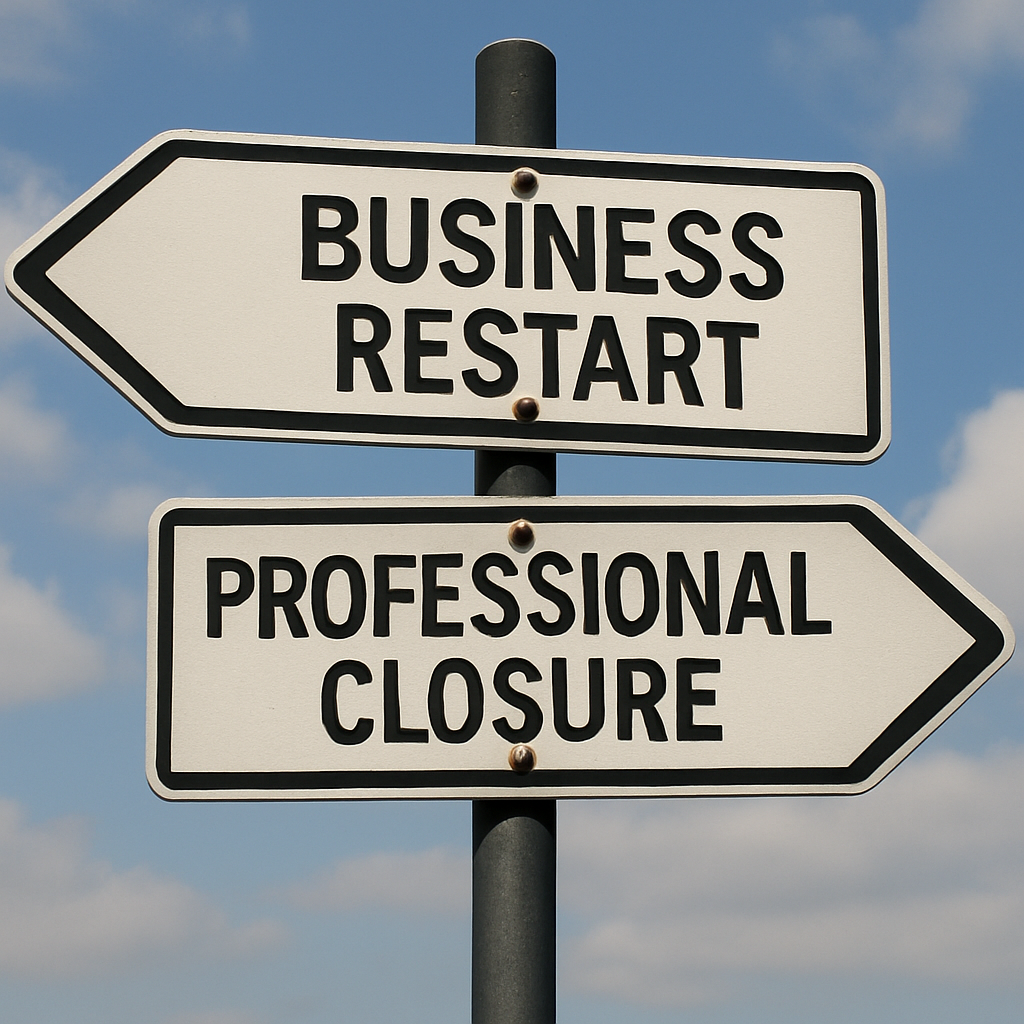
Choosing Between a CVA and Liquidation: An ‘Orderly Exit’ Framework of business debt advice
Realising your company cannot pay its bills is terrifying. However, under UK law, once you recognise you are insolvent, you have a legal duty to stop trading immediately to protect creditors. When an informal debt repayment plan fails, you might face a Statutory Demand (a formal 21-day payment warning). If ignored, this quickly becomes a Winding Up Petition (a court order forcing your company to close).
Facing these aggressive threats requires stepping away from DIY solutions and getting professional insolvency practitioner advice. An Insolvency Practitioner (IP) is a licensed expert who assesses your business’s true health. They help answer the vital question: is your core business viable enough to save, or is it time to safely close?
Choosing between a company voluntary arrangement vs liquidation comes down to your future profitability. Your IP will help evaluate these distinct paths:
- CVA (Company Voluntary Arrangement): You keep trading. A legally binding rescue where you pay a portion of debts over time, writing off the rest.
- CVL (Creditors’ Voluntary Liquidation): You close down. An orderly exit where the IP takes control, sells assets fairly, and officially shuts the company to stop debts spiralling.
Both are formal debt relief options under UK insolvency law.
Making this structured choice ends the paralysing uncertainty of dodging final notices. Once you commit to either rescuing or closing the business legally, you regain peace of mind, allowing you to execute a clear recovery plan.
Your 48-Hour Debt Recovery Plan: The Concrete Steps to Take Back Control
You no longer have to stare at the ceiling wondering what happens next. The best predictor of a positive outcome—whether that involves exploring business turnaround strategies for directors or realising an orderly closure is a success, not a failure—is acting early. Take a deep breath and execute this 48-hour plan:
- Triage bills: Separate priority debts like HMRC from standard suppliers.
- Check for PGs: Review your contracts for Personal Guarantees.
- Call a debt advisor: Seek reputable, free business debt advice in the UK and discuss debt relief options.
- Document everything: Keep clear records of your cash flow and correspondence.
- Communicate with staff: Keep your team calmly informed of immediate changes.
Ignoring the post won’t change the numbers, but taking these steps provides immediate breathing space. Whether you are renegotiating bounce back loan repayment options or simply mapping out a survival plan, professional help exists. You are navigating a hurdle with a clear, legal path forward.
Frequently Asked Questions – business debt advice
Question: How do I tell the difference between a temporary cash flow gap and insolvency?
A cash flow gap means your outgoings are moving faster than income right now, but the business can still realistically catch up; insolvency means the company cannot realistically pay its debts at all. If you’re insolvent, UK law requires you to stop trading to protect creditors and seek professional advice. Act early—managing short-term cash flow and exploring relief options promptly can prevent a temporary squeeze from turning into a permanent closure.
Question: When cash is tight, which bills should I pay first?
Follow the UK creditor hierarchy, treating payments like triage:
- Secured lenders (e.g., bank with a mortgage or charge)
- Preferential creditors (HMRC for certain taxes and employee wages)
- Essential suppliers (those you need to keep trading tomorrow)
- Unsecured creditors (trade suppliers, business credit cards)
- Because HMRC is preferential and has strong recovery powers, engage early to seek a Time to Pay arrangement rather than risking a statutory demand (which gives 21 days before a winding up petition can be issued).
Question: What is the 60-day Breathing Space and how do I access it?
The business debt Breathing Space scheme pauses added interest and stops collections contact and legal action for 60 days, giving you space to build a realistic plan. You apply via an approved professional (e.g., a certified debt adviser), who reviews your situation and submits the application. During this window, creditors cannot pursue enforcement or register a county court judgment against you, but the debt isn’t written off—use the time to prepare a workable repayment or rescue plan.
Question: Could I lose my home if the company fails?
Limited company status normally shields your personal assets. That protection can fall away if you signed a Personal Guarantee (PG)—lenders can then pursue you personally if the business defaults. Also, if you keep trading and incur new debts when you know the company can’t avoid collapse (wrongful trading), you may face personal liability for those new debts. Act early: professionals can often negotiate PG exposure before court action and guide you to a safe path (rescue or closure).
Question: How do I negotiate Time to Pay with HMRC, and what if it’s not enough?
Call HMRC prepared. Have:
- A simple cash flow forecast (money in/out)
- An honest current budget
- A realistic monthly payment you can sustain
- Clear reasons for the arrears (e.g., a late-paying key client)
- Offer only what you can maintain—overpromising risks failure and escalation. If an affordable plan isn’t possible, speak to an Insolvency Practitioner about formal options: a CVA (keep trading and repay a portion over time, writing off the rest) or a CVL (close in an orderly way, with the IP selling assets and formally shutting the company).
Related links