 Skip to content

Students could take Legal Action on Maintenance Loan Errors
- Emma
- Students
Estimated reading time: 13 minutes
Key Takeaways
- Universities in the UK have misclassified ineligible courses as eligible for maintenance loans, leading to sudden debt for students.
- This misclassification happened due to systemic administrative failures, creating a financial trap for students who relied on these loans.
- Students have the right to request a stay on repayments and can pursue legal action against universities for administrative negligence.
- Legal claims may focus on breach of contract and consumer law, aiming to hold universities accountable for their clerical errors.
- Group Litigation Orders (GLOs) can help students collaborate and share legal costs when challenging these inappropriate loan demands.
Contents
- Summary
- How a Simple ‘Box-Ticking’ Mismatch Left Thousands Facing Life-Altering Bills
- Beyond the Letter: Why a ‘Clawback’ Order Threatens More Than Just Your Bank Balance
- Is This a Breach of Contract? Why Universities, Not Students, Are Legally Liable
- Your Rights Against the ‘Clawback’: Navigating Student Loans Company Demands
- Should You Sue? Comparing the Office of the Independent Adjudicator (OIA) vs. Legal Action
- Joining Forces: How Group Litigation Orders Can Level the Playing Field
- The Road to Resolution: A Step-by-Step Action Plan to Challenge Your Wrongful Debt
- Frequently Asked Questions
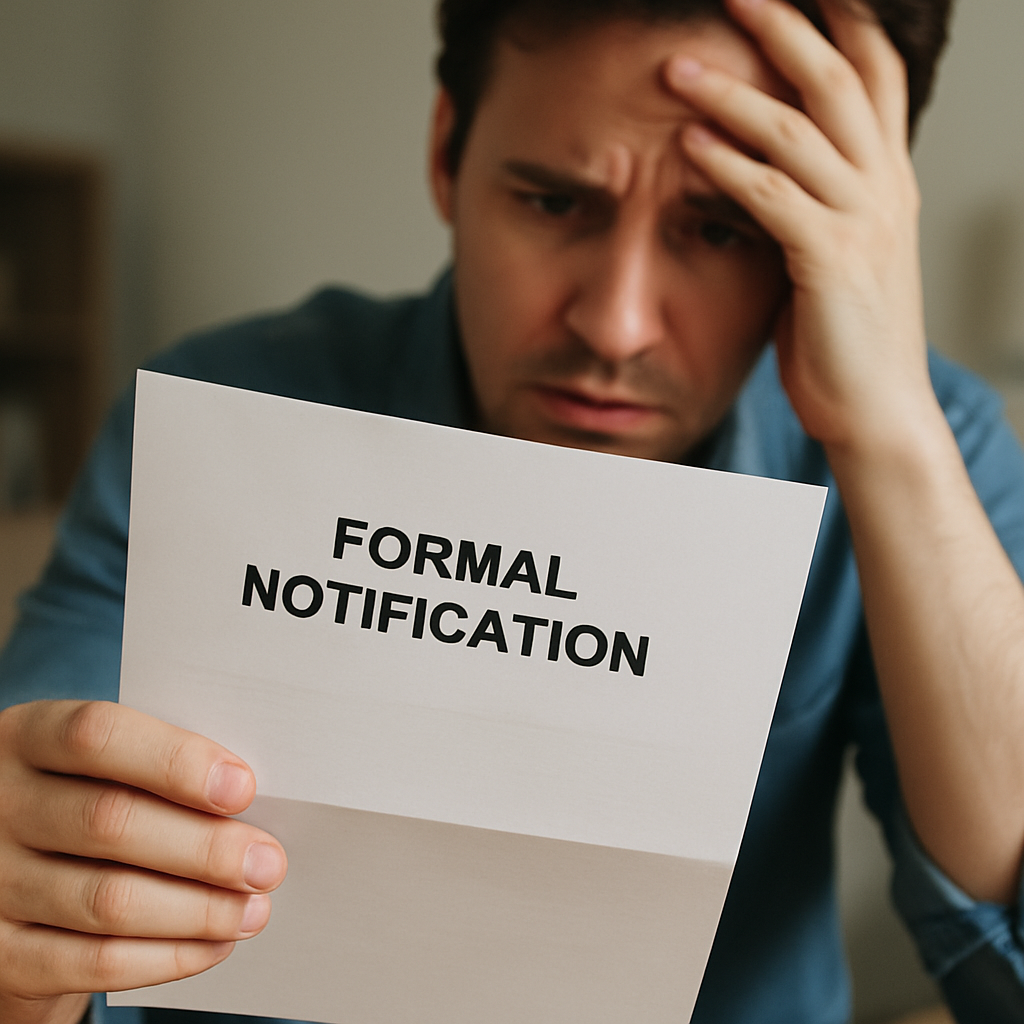
Imagine finishing your second year of university and receive a formal letter demanding you immediately repay £15,000 to the government because your school checked the wrong box. Cases like this highlight wider financial aid problems in the administration of higher education loans.
Recent investigations by student legal representatives, over a dozen UK universities are facing intense scrutiny for this exact scenario. Through sheer university administrative negligence, these institutions wrongly labelled several courses as eligible for maintenance loans. These essential funds students borrow specifically to cover rent, food, and daily living costs rather than their tuition fees. Students could take legal action for wrongly classifying their courses as eligible for maintenance loans. This misinformation lead to thousands being told they owed money.
Rather than providing a safety net, this simple mismatch in paperwork created an invisible financial trap. Believing their funding was completely secure, undergraduates spent this government money on basic survival. They were completely unaware that their course fell outside official eligibility criteria. The cash they were using to keep the lights on was not meant for them.
Who is responsible when a trusted institution makes a clerical error that ruins a young person’s financial future? This massive debt stems entirely from institutional misclassification, not individual mistakes. Affected students could take legal action to fight these unjust repayment demands. This will force the universities to clean up their own mess.
Summary
Multiple UK universities wrongly marked ineligible courses as eligible for maintenance loans, triggering sudden Student Loans Company clawbacks and leaving students with large, unexpected debts. The errors arose from systemic administrative failures at course creation, annual data uploads, and final compliance sign-offs. Students can seek a stay on repayments, gather evidence, and pursue redress via the OIA or through legal action, including group litigation. The central legal argument is breach of contract/consumer law, aiming to shift liability and secure full financial compensation. This is especially where higher education loans were misrepresented and caused widespread financial aid problems.
How a Simple ‘Box-Ticking’ Mismatch Left Thousands Facing Life-Altering Bills
Behind every approved student finance application is a mountain of paperwork that students never see. Universities act as the primary informant for the Student Loans Company (SLC), meaning it is the institution’s legal responsibility to navigate complex higher education course eligibility requirements UK. The government essentially relies on an honour system where universities must accurately register their academic programmes on a central database before anyone can apply for financial help.
Think of this official database as having two distinct categories: Type A and Type B. Type A courses qualify for full government funding, giving students access to vital maintenance loans to cover everyday costs like rent and groceries. Type B programmes simply do not meet these strict criteria and are not eligible for cash support. The current crisis stems from a catastrophic administrative mismatch where universities wrongly labelled Type B programmes as Type A, creating hundreds of mislabelled degree courses across the country.
Rather than a single rogue employee making a mistake, these student loan maintenance eligibility errors slipped through multiple bureaucratic safety nets. The misclassification consistently happened at three specific administrative checkpoints:
- Initial course creation, where academic departments failed to cross-reference government funding rules.
- Annual data uploads, where administrators simply copied over the previous year’s incorrect status.
- Final compliance sign-offs, which institutions often treated as a rushed, tick-box exercise rather than a rigorous legal audit.
When the government finally caught this paperwork mismatch, they instantly viewed the rent money already distributed to students as an illegal overpayment. Now, the SLC is demanding that money back from the students who innocently trusted their university’s guidance.
Beyond the Letter: Why a ‘Clawback’ Order Threatens More Than Just Your Bank Balance
Imagine opening a letter demanding £15,000 back from the government, effective immediately. This aggressive repayment demand is officially known as the Student Loans Company clawback procedure, and it is the government’s standard, rigid response to an overpayment. The system simply treats the student as a debtor who received cash they were not legally entitled to, completely ignoring the fact that a trusted academic institution made the underlying mistake.
Behind these bureaucratic letters are real people facing impossible binary choices. Consider a typical second-year undergraduate: with their approved budget, they could afford to stay in halls and focus entirely on their degree. Without it, and with a sudden massive bill hanging over their head, they are effectively homeless. The immediate impact of university errors on maintenance funding transforms a secure educational path into a daily crisis of food insecurity and eviction threats.
The devastating reality of this wrongful student loan debt recovery is that it actively punishes the victim. As that government money was already spent on rent and groceries, exactly as intended, students are not able to hand it back. This artificial financial hardship forces many talented individuals to abandon their studies entirely, sometimes pushing them toward high-interest private loans just to survive a blunder they had no part in creating.
Who should bear the cost when a professional institution ruins a student’s financial future over a clerical error? Since the university failed to deliver the administrative competence students paid for, lawyers are stepping in to shift the blame back where it belongs.

Is This a Breach of Contract? Why Universities, Not Students, Are Legally Liable
When you accept an offer to study, you aren’t just joining a campus community; you are entering into a legally binding agreement. For decades, the relationship between a student and their university has been viewed primarily as academic, but the law increasingly sees it as a consumer transaction. You agreed to pay substantial tuition fees—often funded by loans—under the strict condition that the institution would provide both a quality education and basic administrative competence.
Failing to register a course correctly with the government isn’t just a minor paperwork slip-up. It represents a fundamental breakdown in the university’s duty of care toward its students’ financial well-being. Because you paid for a service that included proper enrolment management, their failure to do so opens the door to university administrative negligence compensation claims. The institution made a promise to handle the background logistics so you could focus on learning, and by mislabelling your course, they broke their end of the deal.
Institutions are liable
Holding these powerful institutions accountable requires understanding how a breach of consumer law in higher education actually works. To successfully prove that a university broke its contract, legal experts generally look for four essential criteria:
- A clear agreement: You formally accepted an offered place on a specific course.
- A broken obligation: The university failed to correctly register that course for official funding.
- Direct financial harm: You suffered monetary loss, such as unexpected debt or lost living funds.
- Causation: The university’s clerical error directly caused that financial damage.
Recognising this broken promise is the first step toward finding a way out of an impossible situation. If you were led to believe your studies were fully funded, seeking mis-sold university course legal advice can help shift the financial burden back to the institution that actually made the mistake. Armed with the knowledge that the university is at fault, you can now begin exploring your protective options.
Your Rights Against the ‘Clawback’: Navigating Student Loans Company Demands
Opening a letter demanding thousands of pounds back immediately is terrifying, especially when that money already went toward basic rent and groceries. The Student Loans Company (SLC) is simply following their standard procedure for a funding mismatch, but you are not powerless.
When student loan disputes stem from the university’s incorrect paperwork, your immediate priority is stopping the financial bleeding. You have the right to request a “stay”—a temporary pause on debt collection—while the university’s mislabelling mistake is investigated. This prevents the government from draining your bank accounts while the institution sorts out its own administrative mess.
Fast, documented action is required to successfully navigate the SLC maintenance loan repayment dispute process. Consider this your essential student finance overpayment appeals guide, starting with five immediate protective steps:
- Call the SLC immediately to flag the university’s specific clerical error.
- Explicitly request a formal “stay” on all debt recovery efforts.
- File a “Change of Circumstance” appeal detailing the institution’s fault.
- Collect all original enrolment emails and pre-approved funding promises.
- Refuse to take out high-interest private loans to pay this unjust bill.
This temporary pause gives you crucial breathing room, but it does not fix the underlying betrayal by your university. With the immediate repayment threat temporarily frozen, you now face a bigger decision on how to enforce accountability and seek financial justice.
Should You Sue? Comparing the Office of the Independent Adjudicator (OIA) vs. Legal Action
Once you pause the repayment demands, you face a critical junction in figuring out exactly how to challenge university maintenance loan debt. Students essentially have two paths to force accountability: an official ombudsman or the courts. Deciding between the Office of the Independent Adjudicator vs legal action depends entirely on the sheer financial damage your university’s clerical error caused.
The Office of the Independent Adjudicator (OIA) is a free, independent body designed to review complaints after internal university appeals fail. While this route is safe, the OIA typically provides “redress”—a way to put things right, like an apology or a modest refund—rather than full financial recovery. Because they operate with strict compensation limits, they are rarely equipped to wipe out a sudden £15,000 debt caused by institutional carelessness.
When facing massive bills, many understandably wonder: can students sue universities for financial loss? The answer is yes, because a university failing to register your course properly represents a clear breach of your educational contract. Unlike the OIA’s limited redress, legal action demands full legal compensation to cover the exact amount of your forced loans and out-of-pocket rent, though this route requires navigating legal fees.

Choosing a path ultimately comes down to whether the scale of your debt makes a lawyer strictly necessary to secure your future. Confronting a powerful institution in court feels terrifying for any single student. Fortunately, you do not have to fight this battle alone.
Joining Forces: How Group Litigation Orders Can Level the Playing Field
Taking on a wealthy institution alone feels impossible when you are already struggling to pay basic rent. While students could take legal action individually, hiring lawyers to argue over administrative paperwork is financially unrealistic for most. However, when hundreds of classmates face identical repayment demands due to one university’s box-ticking error, they do not have to fight in isolation.
This is where a Group Litigation Order (GLO) changes everything. Instead of 500 individuals filing separate lawsuits because their university wrongly labelled their courses, a GLO merges these cases into a single collective block. By sharing the legal effort, everyday students can afford top-tier representation to actively challenge these institutional failures.
Using group litigation orders for student finance disputes offers three vital advantages over fighting alone:
- Lowered financial risk: Legal fees are split among the group, making justice affordable rather than a luxury.
- Greater leverage: Universities often ignore isolated complaints, but united collective action forces them to negotiate university errors compensation seriously.
- Community support: Law firms help connect you with affected classmates, combining your individual stories to prove a systemic mistake.
Finding strength in numbers transforms a terrifying debt crisis into a winnable fight for accountability. Once you stand united with your peers, you can finally shift the financial burden back where it belongs.
The Road to Resolution: A Step-by-Step Action Plan to Challenge Your Wrongful Debt
This administrative crisis is exactly what it appears to be: a broken promise. The panic of unexpected repayment demands was not caused by your mistakes, but by professional institutions failing their basic duties. The burden of blame belongs squarely on the universities that failed to uphold their end of the contract, rather than the students.
Navigating the student loan dispute process may feel daunting, but you are no longer just a shocked observer—you are equipped to fight back. Successfully challenging university debt starts with organising your defence and treating this misclassification as the breach of trust it is.
Take these six steps to start your legal challenge today:
- Create a dedicated evidence folder for all Student Loans Company letters.
- Save every university email regarding your initial course registration.
- Identify the first person to contact in your university’s complaints department.
- Find the exact deadline for filing your internal grievance.
- Determine the timeframe for escalating to the OIA or filing a legal claim.
- Consult student advocacy groups to explore collective legal action.
As an informed citizen, you have the power to demand accountability. Securing financial justice for students isn’t just about clearing an unfair bill today; it is about ensuring institutions cannot gamble with a student’s future through administrative negligence.
Frequently Asked Questions
Question: What exactly went wrong with maintenance loan eligibility?
Universities incorrectly registered some ineligible courses as eligible on the central database. This Type B (ineligible) vs Type A (eligible) mismatch slipped through three checkpoints—initial course creation, annual data uploads that copied forward errors, and rushed final compliance sign‑offs. When the Student Loans Company (SLC) later discovered the mislabelling, it treated already-paid maintenance loans as overpayments and began clawing the money back from students, compounding financial aid problems across campuses.
Question: Who is legally responsible for this error, and on what basis?
The universities are likely liable under contract and consumer law. When you accepted a place, the university had a duty to manage enrolment and funding administration competently. A breach case rests on four elements: a clear agreement (your accepted offer), a broken obligation (misregistration of your course), direct financial harm (unexpected debt/lost living funds), and causation (the clerical error caused the loss). Meeting these criteria supports claims to shift liability and seek full compensation.
Question: I’ve received an SLC clawback letter—what should I do immediately?
Act fast to pause recovery while the university’s error is investigated. Contact the SLC to flag the university’s mislabelling and request a formal “stay” on collection, submit a Change of Circumstance appeal, gather all enrolment and funding communications as evidence, and avoid taking high‑interest private loans to cover the demand. This buys time to pursue redress against the university.
Question: Should I complain to the OIA or start legal action?
The Office of the Independent Adjudicator (OIA) is free and can order redress after you exhaust the university’s internal process, but it typically offers limited remedies and capped compensation—often insufficient for large debts. Court action can seek full financial compensation (e.g., to cover a £15,000 clawback) but involves legal costs. Choose based on the scale of your loss and whether you need complete financial recovery.
Question: How can a Group Litigation Order (GLO) help affected students?
A GLO combines many similar student claims into one case, spreading legal costs, increasing negotiating leverage with universities, and providing community support. Where large groups were impacted by the same misclassification, joining a GLO can make top-tier legal representation affordable and more effective than pursuing isolated individual claims.
Related links