
100 Loan Direct Lender in the UK: Safe, Fast Approval
- March 23, 2026
- Remy Anderson
Estimated reading time: 12 minutes
Takeaways
- For a secure £100 loan, choose an FCA-authorized 100 loan direct lender and verify their license.
- Avoid brokers to protect your personal data and minimize fees—direct lenders fund your loan directly.
- Interest on a £100 loan is capped at 0.8% per day, so total repayment over 30 days can’t exceed £124.
- You can qualify for a £100 loan on benefits or with bad credit if you can prove affordability.
- Ensure you follow a financial safety checklist before applying for a £100 loan to secure good terms.
Contents
- Summary
- Why ‘Direct Lender’ Matters: Cutting Out the Middleman
- The FCA Safety Check: How to Verify Your Lender
- ‘No Credit Check’ vs. ‘Soft Search’: Protecting Your Credit Footprint
- The Real Cost of £100: Understanding Interest Caps and APR
- Can I Borrow £100 on Benefits or with Bad Credit?
- Application to Funding: The ‘Same Day’ Timeline
- When the £100 Becomes a Problem: Repayment Risks and Support
- Your Financial Safety Checklist: 5 Steps to Borrowing Wisely
When the washing machine stops mid-cycle or a tyre punctures on the school run, finding a spare £100 becomes an immediate priority. In these moments of financial stress, searching for quick cash loans or a £100 loan from a direct lender in the UK can feel overwhelming, but knowing the lender is just as important as the money itself. Not every “apply now” button works the same way, and clicking the wrong one can have unexpected consequences for your personal data.
To protect your peace of mind, identifying £100 direct lender loan options authorized by the Financial Conduct Authority (FCA) is essential (sometimes listed online as “100 loans direct lender”). This regulatory body ensures lenders treat you fairly and strictly caps the interest you repay, ensuring a short-term fix doesn’t turn into a long-term headache.
Summary
For a safe £100 loan, choose an FCA-authorized direct lender, verify their license on the Financial Services Register, and avoid brokers or any claims of “guaranteed approval” or “no credit check”—including phrases like “100 acceptance loans direct lender,” “payday loans 100 approval direct lender,” or “100 guaranteed loans direct lender.” Legitimate lenders use soft searches first to protect your credit, and costs are capped at 0.8% per day – so a 30-day £100 loan should not exceed £124, with total fees never surpassing the original principal.
Income from benefits or part-time work can be accepted if the loan is affordable, and approved funds often arrive the same day via Faster Payments. If repayment becomes difficult, contact the lender early and seek free help from StepChange or National Debtline, with the Financial Ombudsman available for complaints.
Why ‘Direct Lender’ Matters: Cutting Out the Middleman
Searching for a “100 loan direct lender in the UK” often returns thousands of results that look identical, but clicking the wrong link can send your personal details to dozens of companies instantly. Knowing who actually handles your money is your first line of defense against unwanted marketing calls and hidden charges. If you want to keep your data private, you must distinguish between the company funding your loan and the middlemen trying to sell your application.
Think of the difference between a direct lender and a broker like ordering dinner. A direct lender is the restaurant kitchen; they prepare the food (the money) and serve it directly to you. A broker is like a delivery app; they don’t make the food, but they charge a fee or take a commission to find a restaurant that will serve you. While personal loan lenders make the final decision on your application based on their own criteria, brokers simply shop your data around to find a match.
No Broker Fees
To ensure you are applying for bad credit loans with no broker fees, check the footer of the website before hitting submit. Brokers often have disclaimers stating they are “an introducer,” whereas direct lenders explicitly state they provide the funds. Watch for these clear signals that you are on a broker site:
- The site asks for an upfront “service fee” just to process your application.
- Fine print mentions passing your details to a “panel of lenders” or “marketing partners.”
- You receive multiple emails or texts from different companies within minutes of applying.
These patterns often appear on pages pushing phrases like “100 guaranteed loans direct lender”—a clear warning sign.
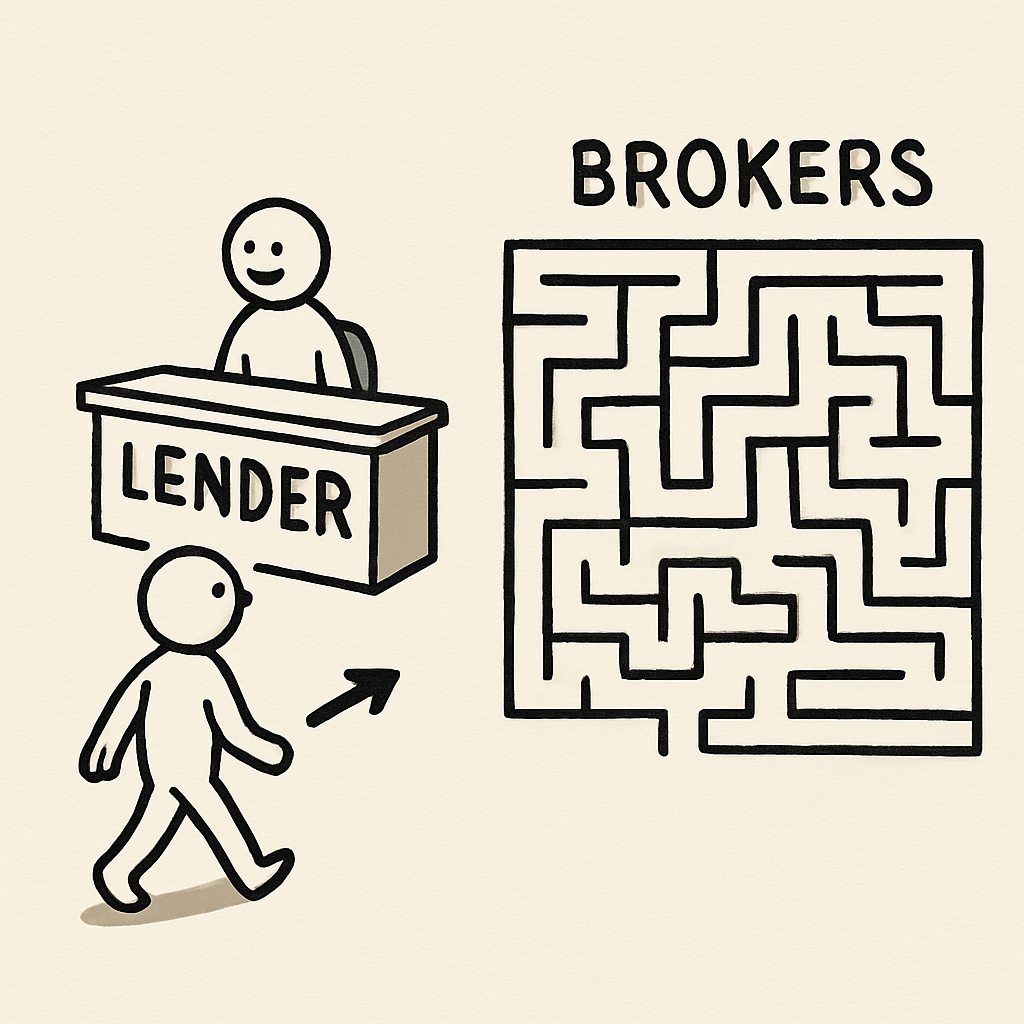
Keeping your application with a single company minimizes your digital footprint and protects your inbox from spam. Once you have identified a potential source for your funds, confirm they are legitimate before sharing any details.
The FCA Safety Check: How to Verify Your Lender
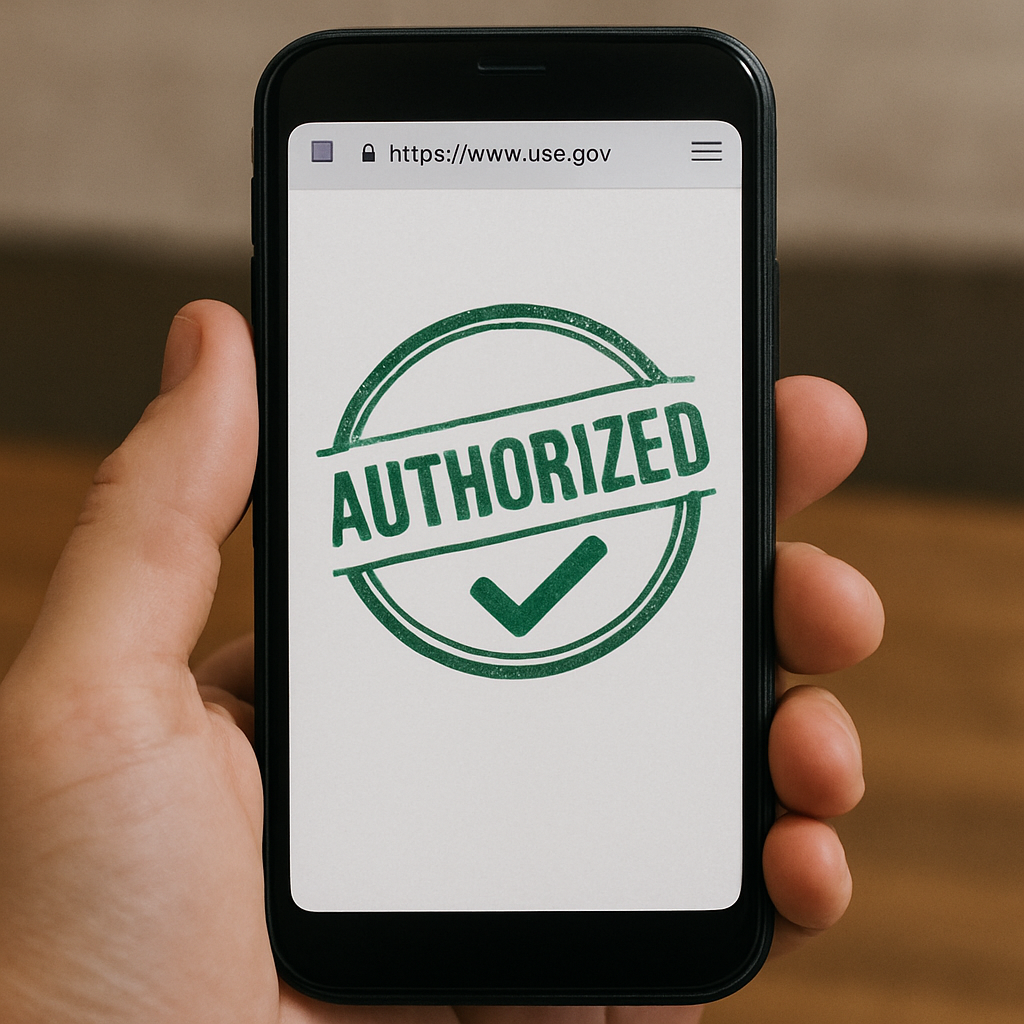
Scrolling to the bottom of a website reveals more than just copyright dates; it is where legitimate companies display their license from the Financial Conduct Authority (FCA). This six-digit reference number acts as a digital passport. It proves the company follows strict UK laws designed to treat you fairly. Before sharing personal data, copying this number into the online Financial Services Register takes less than a minute. It confirms the lender is permitted to operate, ensuring you aren’t dealing with an unregulated loan shark.
Legitimate FCA authorized short term lenders are legally required to check that you can afford repayments. Honest companies will never promise guaranteed £100 loans without knowing your financial situation. Be extremely wary of advertisements claiming phrases like “100 approval loans direct lender” or “100 approval loans direct lender no credit check,” as these are major red flags often used by scammers or illegal lenders. A genuine lender prioritizes your ability to repay safely over making empty promises of instant cash.
Passing these regulatory checks does require the lender to review your financial history. This necessary step doesn’t have to damage your future borrowing potential. The law mandates an affordability assessment to protect you from unmanageable debt. Modern lenders use smart technology to assess your eligibility initially without leaving a permanent mark on your file.
‘No Credit Check’ vs. ‘Soft Search’: Protecting Your Credit Footprint
Searching for a £100 loan with no credit check is a common instinct when you need cash fast. However be cautious: UK law requires authorized lenders to verify your financial history. While scammers might promise to skip this step completely, legitimate companies use “soft search” technology. This is to check your eligibility without harming your credit rating.
This process ensures you don’t take on debt you cannot handle while keeping your credit file clean for the future. Be especially careful with ads that say “100 loan no credit check direct lender”—legitimate lenders must still verify affordability.
Think of the difference between a soft search vs hard credit check as browsing versus buying. A soft search allows a lender to peek at your file without leaving a mark visible to other companies. In contrast, finalizing a loan agreement usually triggers a hard search, which leaves a permanent “footprint.” Applying for too many suspicious no credit check offers can accidentally stack up these hard checks. That signals to banks that you are desperate for funds.
Lenders assess more than just a credit score number; they focus on your actual ability to repay by looking at:
- Recent income stability
- Employment status
- Monthly expenses vs. income
- Current debt levels
With your credit footprint protected, prioritize calculating the specific price of borrowing.
The Real Cost of £100: Understanding Interest Caps and APR
When you take out a small loan, the price is strictly regulated by the Financial Conduct Authority (FCA). If you’re considering a 100 payday loan direct lender offer in the UK, interest is capped at 0.8% per day. This means that for every £100 you borrow, the lender cannot charge you more than 80p in interest daily. This rule ensures that calculating the total cost of borrowing remains straightforward and prevents costs from spiraling out of control, regardless of what the annual percentage rate (APR) might suggest.
While the APR often looks alarming – sometimes reaching over 1,000% – it is an annual projection that doesn’t accurately reflect a loan lasting only a few weeks. Instead of focusing on the percentage, look at the “Total Amount Repayable.” Here is the maximum cost for borrowing £100 over 30 days under current regulations:
- Loan Principal: £100.00
- Interest (30 days @ 0.8%): £24.00
- Total Repayment: £124.00
Crucially, the law provides a final safety net: you can never be asked to pay back more in interest and fees than the amount you originally borrowed. Even if you struggle with managing repayments and incur late fees, your total debt for a £100 loan can never exceed £200.
Can I Borrow £100 on Benefits or with Bad Credit?
Many applicants wonder, “can I get a loan on benefits ?” or without a full-time job. Fortunately, modern UK direct lenders prioritize recurring revenue over specific job titles, meaning state benefits, pensions, or part-time wages often count as valid income sources. While minimum income requirements generally sit around £400 to £800 per month, the critical factor is consistency. Lenders need to see that money enters your account regularly enough to cover the repayment without leaving you short for essentials like rent or food.
Your credit score is a record of the past, but providers of bad credit loans focus more on your current financial health. Rather than rejecting you solely based on a missed payment from five years ago, these companies use affordability assessments to review your recent bank statements. If your current budget shows you have enough disposable cash left over at the end of the month to comfortably pay back the £100 plus interest, you may still be approved despite a lower credit rating.
Proving that the loan is affordable today matters more to these lenders than having a perfect financial track record. Once you have established that your income source is accepted and your monthly budget can handle the repayment, the process moves quickly
Application to Funding: The ‘Same Day’ Timeline
Once you submit your details, automated systems usually take over to minimize waiting time. Modern providers aim to offer instant decisions , letting you know if you are approved in minutes so you aren’t left guessing. This efficiency is essential when you require same day cash for emergencies like a car repair or urgent bill.
The actual transfer of funds relies on the UK’s Faster Payments Service (FPS), which allows money to move between accounts instantly, even on weekends. While users often search for guaranteed acceptance, it is the FPS technology—not a guaranteed acceptance rate—that actually ensures speed. If your current account supports this service, the money often arrives within 15 minutes of signing your agreement. Be cautious of marketing that implies “100 acceptance loans direct lender”—no responsible firm can promise that.
A typical successful application moves through these stages:
- Application: You fill out a short digital form on your mobile or desktop.
- Review: The lender performs a rapid soft credit check and affordability assessment.
- Funding: Cash is sent directly to your bank via Faster Payments.
Getting the money quickly solves the immediate crisis, but it is vital to understand the obligations that follow once the due date arrives.
When the £100 Becomes a Problem: Repayment Risks and Support
Missing a repayment deadline does more than add late fees; it can leave a lasting mark on your financial history. The impact on your credit score is significant if payments fail, but early communication can often prevent the worst outcomes. Lenders are legally required to treat you fairly, and many can offer a short ‘breathing space’ or freeze interest if you notify them before the collection date.
If you believe a company has treated you unfairly or ignored your situation, you have a powerful ally in the Financial Ombudsman Service (FOS). This free, independent service acts as a referee between you and the provider, ensuring that the complaints procedure is followed correctly. They have the authority to order compensation or restructured payment plans if a provider failed to check that the loan was affordable for you originally.
Professional guidance is always available at no cost through charities like StepChange or National Debtline, which are often safer routes than seeking high-cost alternative ways to borrow to cover existing debts. Speaking to an advisor can clarify your rights and set up manageable plans without judgment.
Your Financial Safety Checklist: 5 Steps to Borrowing Wisely
Navigating a financial shortfall doesn’t mean compromising on safety. By understanding the true cost of borrowing and prioritizing an FCA-authorized £100 loan direct lender, you move from urgent guesswork to a secure decision. You now have the insight to distinguish a helpful financial bridge from a costly trap, ensuring your temporary fix doesn’t become a long-term burden.
Before you commit, carefully weigh short term credit vs bank overdrafts and complete this final safety check:
- Is the company clearly listed on the FCA register?
- Does the website confirm they are a direct lender, not a broker?
- Have you verified the exact total repayment figure?
- Do they apply responsible lending criteria like affordability checks?
- Is the repayment date realistically aligned with your payday?
Frequently Asked Questions
Question: How do I tell if a site is a direct lender or a broker, and why does it matter?
A direct lender funds and manages your loan; a broker just passes your details to others and may charge fees. Check the site footer: direct lenders say they “provide the funds,” while brokers mention being an “introducer,” a “panel of lenders,” or “marketing partners.” Red flags include upfront “service fees” and getting multiple emails/texts right after applying. Choosing a direct lender reduces spam, protects your data, and avoids hidden broker charges.
Question: How can I verify a £100 lender is legitimate and FCA-authorized?
Look for the lender’s six-digit FCA reference number in the website footer, then confirm it on the Financial Services Register. Avoid any lender promising “guaranteed approval” or “no credit check”—legitimate firms must check affordability and won’t guarantee acceptance without reviewing your situation. Phrases like “100 approval loans direct lender” or “100 approval loans direct lender no credit check” should be treated with caution. FCA authorization means fair treatment, capped costs, and proper affordability checks.
Question: Will applying hurt my credit score? What’s the difference between a soft search and a hard check?
Initial eligibility checks are usually a soft search—only you can see it and it won’t harm your score. If you go ahead and take the loan, the lender will run a hard check, which leaves a visible footprint. Avoid applying for multiple “no credit check” offers, as they often lead to repeated hard searches and can signal risk to other lenders.
Question: What’s the maximum I should repay on a £100 loan over 30 days?
Under FCA rules, interest is capped at 0.8% per day. For £100 over 30 days, the maximum interest is £24, so the total repayment should not exceed £124. Overall, you can never be charged more in interest and fees than the amount borrowed—your total for a £100 loan can’t exceed £200, even with late fees.
Question: Can I get a £100 loan if I’m on benefits or have bad credit, and how fast is the payout?
Yes, if the loan is affordable. Lenders look for consistent income (benefits, pensions, part-time wages) and a budget that can handle repayment; typical minimum income ranges are around £400–£800 per month. If approved, many lenders send funds via Faster Payments—often within minutes of signing—though speed depends on your bank supporting FPS.
Related links