

Understanding £10k Loans for Bad Credit
- March 27, 2026
- Remy Anderson
Estimated reading time: 13 minutes
Takeaways
- 10k loans for bad credit are available, including no-guarantor options, making them accessible even for those with poor credit scores.
- These loans can be used for various needs, such as debt consolidation and emergency expenses, although they usually come with higher interest rates.
- Potential borrowers should meet specific criteria, including being over 18, having UK residency, and demonstrating stable income.
- Different types of bad credit loans include secured, unsecured, and no-guarantor options, each with unique terms and considerations for the borrower.
- Improving your chances of approval involves enhancing your credit score, providing proof of income, and comparing lenders to find the best terms.
Contents
- What Are £10,000 Loans for Bad Credit?
- Who Can Apply for a £10k Bad Credit Loan in the UK?
- Types of Bad Credit Loans: Secured, Unsecured, and No-Guarantor Options
- How Do No-Guarantor Loans Work?
- Interest Rates and Costs: What to Expect
- How to Improve Your Chances of Approval
- Steps to Apply for a £10k Loan with Bad Credit
- Comparing Lenders and Loan Offers
- Risks and Things to Watch Out For
- Alternatives to £10,000 Bad Credit Loans
- Frequently Asked Questions
- Final Tips and Resources
Navigating the world of loans can be daunting, especially with bad credit. Many people in the UK face this challenge. This guide explores 10k loans for bad credit in the UK, including no-guarantor options, and how to compare unsecured loans and other alternatives.
A £10k loan for bad credit (sometimes called a 10k bad credit loan) might seem out of reach. But options are available, even from lenders offering loans for bad credit no guarantor.
Understanding these options is crucial. It can help you make informed decisions.
Bad credit loans are designed for those with poor credit scores. They offer a lifeline when traditional loans are not an option.
No-guarantor loans are particularly appealing. They don’t require a third party to co-sign. This makes them more accessible.
Interest rates on these loans are often higher. This reflects the increased risk for lenders.
However, some lenders specialise in bad credit loans. They offer tailored solutions to meet your needs.
This guide will explore these options. It will help you understand how to improve your chances of approval.
What Are £10,000 Loans for Bad Credit?
A £10,000 loan for bad credit—also known as a 10k loan for bad credit—is designed for individuals with a low credit score. It provides access to funds despite credit challenges. Many borrowers even search for a 10000 loan bad credit option online when comparing offers.
These loans can be used for various purposes. Common uses include debt consolidation and home improvements. They are also suited for emergency expenses and other urgent needs that sometimes require emergency loans.
Many traditional lenders require good credit scores. Bad credit loans cater to those who don’t meet these criteria. This flexibility is key for many borrowers.
No-guarantor loans are part of this category. They don’t need a third party to back the loan. This makes them ideal for those without a guarantor.
Interest rates on bad credit loans are generally higher. This compensates lenders for the increased risk they take on.
To summarise, here’s what defines a £10,000 bad credit loan:
- Available to individuals with poor credit.
- Can be used for various expenses.
- No-guarantor options are available.
- Higher interest rates due to risk.
These features make bad credit loans a viable option for many.
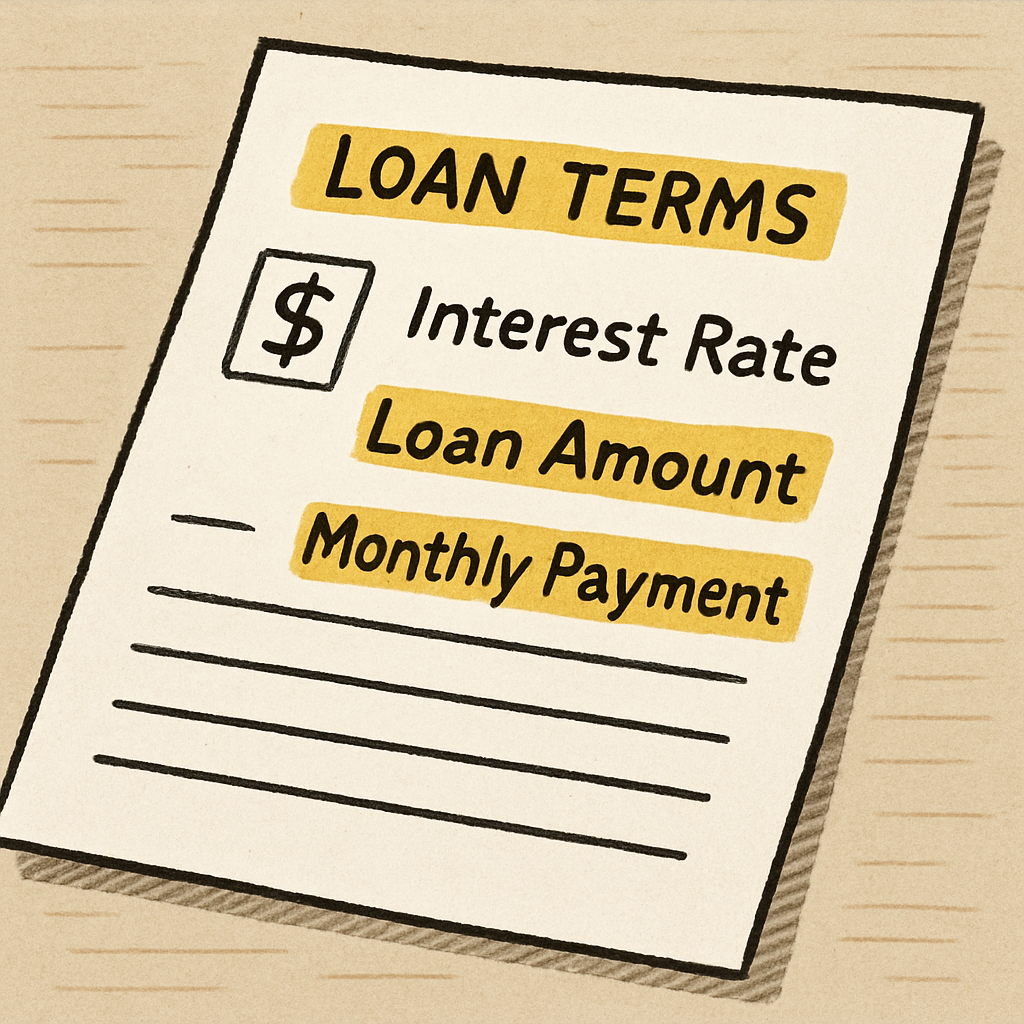
Who Can Apply for a £10k Bad Credit Loan in the UK?
In the UK, many people with low credit scores seek loans. Fortunately, they can still access credit options tailored to their needs. These loans cater to individuals who have been turned away by traditional lenders.
Eligibility criteria differ amongst lenders. Some aspects are commonly assessed. Borrowers typically need to be over 18 years old and reside in the UK.
Regular income is another requirement. This includes employment income or benefits. Some lenders also consider other financial factors, such as existing debts.
A good credit score isn’t always necessary. However, demonstrating responsible financial behaviour can help. Many lenders will evaluate employment status and income level over just the credit history.
Potential applicants should keep these criteria in mind:
- UK residency
- 18 years or older
- Regular income
- Employment status
In summary, while these loans are accessible, meeting the lender’s requirements is essential. This can increase your chances of securing a £10,000 bad credit loan.
Types of Bad Credit Loans: Secured, Unsecured, and No-Guarantor Options
Understanding the types of bad credit loans can help you make informed decisions. Each type has its unique features and implications for borrowers.
Secured loans require collateral. This means you offer an asset, like a vehicle or property, as security. These loans often have lower interest rates due to reduced risk for lenders.
Unsecured loans, on the other hand, do not require any collateral. As a result, they might have stricter eligibility conditions and higher interest rates. These loans depend heavily on your creditworthiness.
No-guarantor loans—also called loans for bad credit no guarantor—offer another option for those lacking a co-signer. Without a guarantor, the loan may have higher costs to offset the lender’s risk. It allows borrowing without involving family or friends.
Consider the following list for clarity:
- Secured loans: Require collateral, lower interest rates.
- Unsecured loans: No collateral, higher rates possible.
- No-guarantor loans: No co-signer needed, potentially costly.
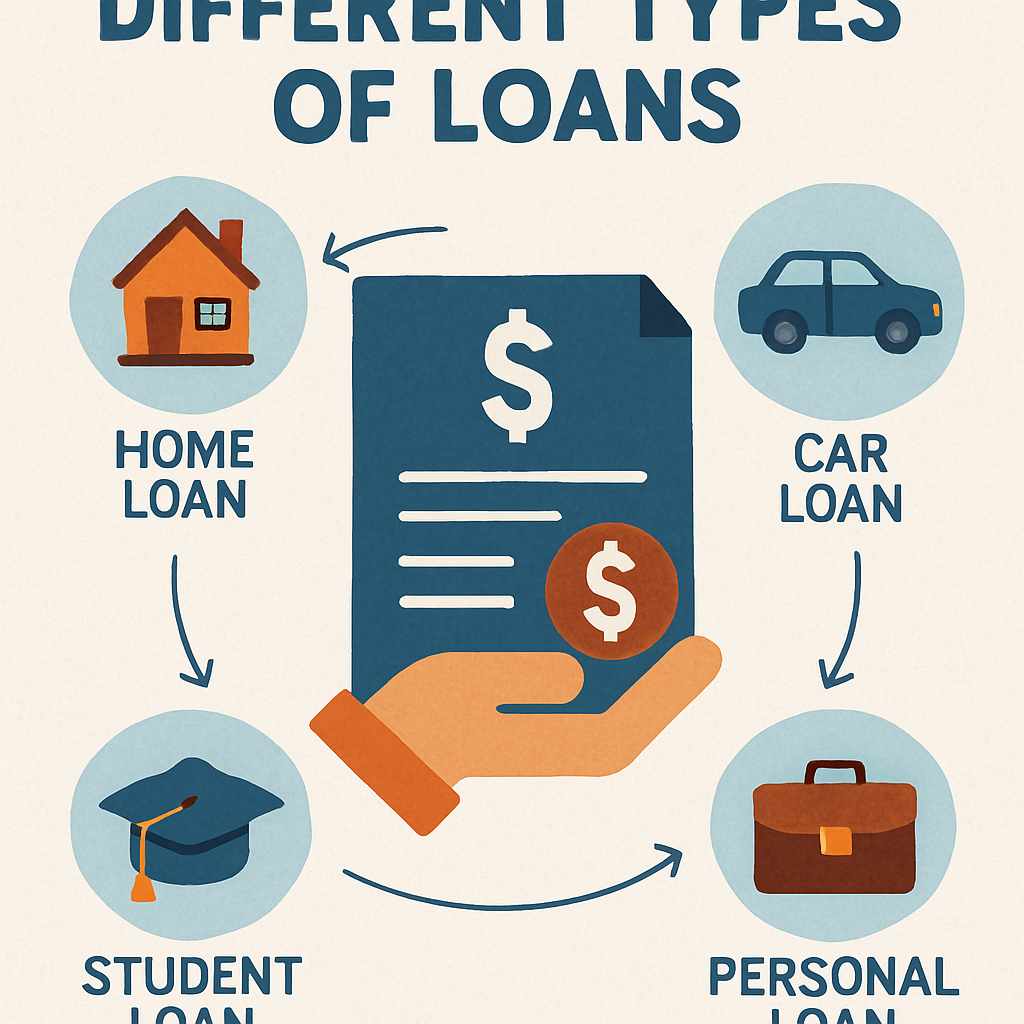
Each loan type suits different needs and financial situations. It’s crucial to assess which aligns best with your current circumstances. While secured loans might offer better terms, they put your assets at risk.
Unsecured and no-guarantor options provide freedom but could be more expensive. Weigh these factors carefully. Proper understanding and planning can help you select the right loan product.
How Do No-Guarantor Loans Work?
No-guarantor loans are a viable solution for many borrowers. They eliminate the need for a third party to co-sign, making the process more streamlined and personal.
These loans are specifically designed for individuals who may struggle to find someone willing to act as a guarantor. Without a guarantor, all responsibility falls solely on the borrower.
Lenders often assess factors beyond credit scores when reviewing no-guarantor loan applications. They consider income stability, employment history, and existing debts to gauge repayment ability.
It is important to note that interest rates for these loans can be higher. The increased rate compensates lenders for the greater perceived risk of default.
Borrowers should prepare to meet specific requirements:
- Proof of income and employment status.
- Credit history review.
- Verification of identity and residency.

Understanding how no-guarantor loans function is crucial. They provide a degree of independence and accessibility for those unable or unwilling to involve a guarantor. However, it is essential to weigh the interest rates and consider the potential financial impact.
Interest Rates and Costs: What to Expect
Interest rates for bad credit loans tend to be higher. Lenders increase rates to offset the risk of default. This is a common practice in the financial sector.
Borrowers should prepare for varying rates among different lenders. Each lender has its own criteria and pricing structure. Comparing offers is key to finding a favourable deal.
Additional costs might accompany your loan. These include processing fees, late payment charges, and early repayment penalties. It’s vital to understand these upfront to avoid surprises.
Here are some potential costs you might encounter:
- Arrangement fees
- Late payment charges
- Early repayment penalties

Taking the time to research your options can result in better terms. Gathering information about interest rates and associated costs can help you make informed decisions. Awareness of all possible expenses ensures you know the total cost. It’s a crucial part of managing your finances effectively when considering a £10k loan with poor credit.
How to Improve Your Chances of Approval
Improving your chances for a £10k loan with poor credit involves several steps. Enhancing your credit score is a primary one. Start by paying off small debts promptly to build a good payment history.
Lenders often consider your income alongside your credit score. Providing proof of stable employment and income can positively impact your application. This demonstrates your ability to repay the loan.
Another step is to reduce your overall debt-to-income ratio. Paying down existing debts can improve this ratio. It signals to lenders that you have manageable financial obligations.
Consider checking your credit report for errors. Dispute any inaccuracies with credit agencies to potentially raise your score. Rectifying these errors can make a significant difference in your approval chances.
Here are additional ways to enhance your application:
- Build a savings reserve
- Apply for pre-qualification
- Avoid taking out new credit before applying

Your financial stability is critical to lenders. Demonstrating a well-rounded financial position can persuade them to approve your loan. A comprehensive approach, addressing multiple factors, will increase your chances of securing a £10k loan for bad credit in the UK.
Steps to Apply for a £10k Loan with Bad Credit
Applying for a £10k loan with bad credit requires preparation. Start by gathering all necessary financial documents. This typically includes proof of income and personal identification.
Next, check your credit score and report for accuracy. Understanding your credit situation is vital before you apply. It provides a realistic view of your borrowing potential.
Research lenders in the UK that cater to borrowers with poor credit. Look for those offering flexible terms and no-guarantor options. This increases your chances of finding a suitable loan.
Once you’ve identified potential lenders, compare the interest rates and loan terms. Ensure you fully understand the total cost and repayment obligations. This step helps you avoid unfavourable loan terms.
When ready, complete the application process with your chosen lender. This often involves online forms and may include a quick pre-approval process. Be thorough and honest to ensure accurate assessment.
Here’s a quick checklist:
- Gather required documents
- Check credit rating
- Research suitable lenders
- Compare loan offers
- Submit accurate application

By following these steps, you position yourself for a better chance of securing a loan tailored to your needs.
Comparing Lenders and Loan Offers
Finding the right lender is crucial when seeking a loan with poor credit. The process begins with researching different lending options. Online lenders and traditional banks each have pros and cons.
When comparing lenders, consider interest rates first. These can greatly impact your repayment amounts over time. Look for lenders offering competitive rates and favourable terms.
Customer service is another important factor. Reading reviews can provide insight into a lender’s reputation and reliability. Prioritise lenders known for responsive and helpful customer service.
Examine additional fees and charges that might apply.
These can include origination fees or late payment penalties, which affect the total loan cost.
Use a checklist to simplify your comparison:
- Interest rates
- Customer service reviews
- Additional fees
- Loan terms and flexibility

Once you’ve gathered information, weigh each lender’s pros and cons. This thorough comparison helps you make an informed decision, ensuring you secure the best loan for your needs and situation.
Risks and Things to Watch Out For
Taking out a loan with bad credit carries certain risks. Higher interest rates are a common consequence, making loans more expensive. This can lead to increased financial strain if not managed properly.
Beware of predatory lenders who exploit those with bad credit. These lenders might offer seemingly attractive terms but charge excessive fees. Always ensure that lenders are legitimate and transparent.
Look for hidden charges in the loan agreement. These could be origination fees or early repayment penalties. Thoroughly reading all terms will prevent unwanted surprises later on.
When considering a bad credit loan, be mindful of your repayment ability. Failing to keep up with payments can worsen your financial situation and further damage your credit score.
Here’s a checklist of potential risks:
- High interest rates
- Predatory lenders
- Hidden charges
- Repayment challenges

Prioritise understanding the full terms and potential risks before committing to a loan.
Alternatives to £10,000 Bad Credit Loans
If a £10,000 loan for bad credit seems too risky, consider other options. Alternatives might offer better terms or suit your financial situation more effectively.
Peer-to-peer lending platforms can provide access to funds. These platforms often have more flexible requirements compared to traditional lenders. They can also offer lower interest rates.
Government-backed schemes are another alternative, especially if you’re seeking support. These programmes may provide additional financial assistance with more reasonable terms.
Consulting a debt management or credit counselling service can be beneficial. These services help restructure existing debt and provide financial advice. This support could alleviate the need for a high-risk loan.
Consider the following alternatives:
- Peer-to-peer lending
- Government-backed schemes
- Debt management services
Exploring these alternatives might improve financial health without incurring additional debt.
Frequently Asked Questions
Yes, though it may involve higher interest rates. Lenders assess various factors, not just credit scores, for approval.
A no-guarantor loan doesn’t require someone to co-sign. This makes it accessible if you lack a financial backer.
Unsecured loans are possible, though eligibility might be stricter. Lenders focus on income and other factors besides credit ratings.
Compare different lenders and their terms. Also, look at interest rates, charges, and repayment options to ensure a suitable match.
Yes, especially if lenders conduct a hard credit check. However, some offer pre-qualification, which doesn’t impact your rating.
Emergency loans provide quick cash but often come with higher interest rates. They should be used only when necessary.
Watch for predatory lenders charging excessive fees. Always verify the legitimacy of any lender before proceeding.
Definitely. Better credit scores can lead to more favourable terms and increase the likelihood of loan approval.
Final Tips and Resources
When seeking a £10k loan for bad credit in the UK, preparation is key. Always have your financial details organised before applying. This includes income, debts, and expenses.
Another tip is to stay informed. Understand what lenders require and how you can meet those needs. Research is your most powerful tool.
Consider professional advice if needed. Financial advisers can offer insights on improving your credit score. They can also guide you in managing debts wisely.
Below are some resources to help you on your journey:
- Credit Counselling Services: For debt management guidance.
- Online Loan Calculators: To estimate monthly repayments and interest.
- Financial Literacy Courses: Gain knowledge about money management and credit improvement.
Choosing the right path can make a significant financial impact.
Use available resources to ensure you make an informed decision.
Related links