

Steps to Becoming Debt Free
- January 31, 2026
- Remy Anderson
Estimated reading time: 11 minutes
Summary
This guide explains how to become debt free by first understanding your debts, setting SMART goals, and building a realistic budget. It compares Snowball vs. Avalanche repayment methods and shows how to accelerate progress—potentially within six months—by increasing income, cutting expenses, using windfalls, and considering consolidation or refinancing. You’ll also learn to improve your credit score during repayment, stay motivated, avoid new debt, and lay the groundwork for long-term financial independence. Consistency and disciplined execution are key throughout.
Table of contents
- Summary
- Understanding Your Debt Situation
- Setting Clear Debt-Free Goals
- Creating a Realistic Budget
- Choosing a Debt Payoff Plan: Snowball vs. Avalanche
- How to Be Debt Free in 6 Months: Accelerated Strategies
- Increasing Income and Cutting Expenses
- Using Windfalls and Extra Payments
- Debt Consolidation and Refinancing Options
- Improving Your Credit Score During Debt Payoff
- Staying Motivated and Tracking Progress
- Avoiding New Debt and Building Financial Independence
- Life After Becoming Debt Free: Next Steps
- Frequently Asked Questions About Becoming Debt Free
Becoming debt free is a journey many aspire to undertake. It promises financial independence and peace of mind. But where do you start? Understanding your current financial situation is crucial.
Creating a debt pay-off plan can guide you towards your goal. This plan should be realistic and actionable. Improving your credit score is also essential. It opens doors to better financial opportunities.
Achieving debt freedom in six months is ambitious but possible. With dedication and the right strategies, you can make it happen. This guide will provide you with the steps needed to embark on this transformative journey.
Understanding Your Debt Situation

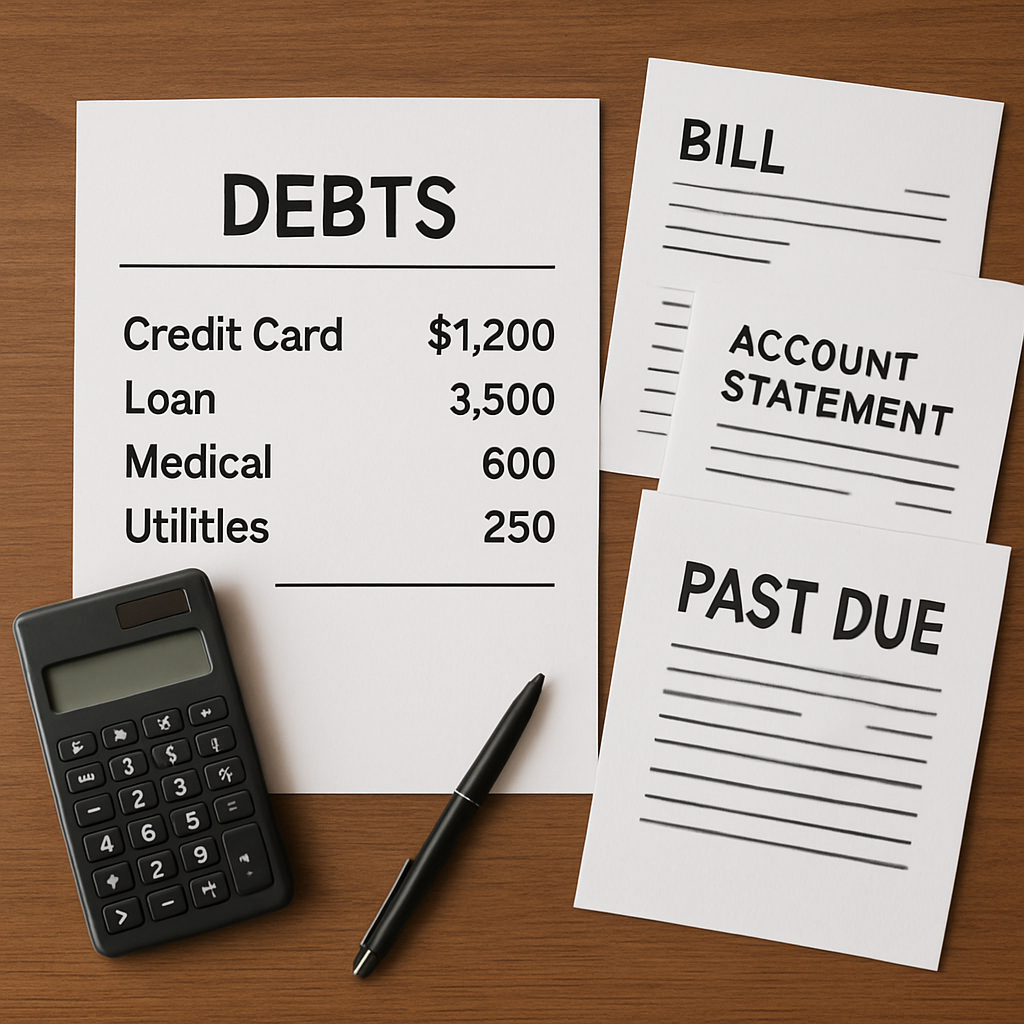
The first step in becoming debt free is understanding your current debt situation. Start by gathering all your financial documents. This includes credit card statements, loan agreements, and any other debts you owe.
Create a comprehensive list detailing each debt. Include information such as the amount owed, interest rate, and minimum repayment required. This list provides a clear picture of your obligations.
By organising your debts, you can prioritise which ones to tackle first. Identifying high-interest debts should be a top priority. These debts accrue the most interest over time, costing you more in the long run.
Here are key components to note in your debt inventory:
- Total amount owed
- Interest rates for each debt
- Monthly minimum repayments
- Loan terms and conditions
Once you have a detailed overview, assess your total debt situation. Knowing exactly where you stand financially is empowering. It sets the groundwork for your debt repayment plan.
Visualising this information can also be helpful. Create a chart or spreadsheet to track your progress as you make payments.
Setting Clear Debt-Free Goals
Setting clear goals is crucial in your journey to becoming debt-free. Goals give you direction and a sense of purpose. Begin by defining what being debt-free means to you.
Focus on creating short-term and long-term goals. Short-term goals might include paying off a specific debt within a few months. Long-term goals could involve achieving financial independence.
It’s important to make your goals SMART: Specific, Measurable, Achievable, Relevant, and Time-bound. This approach helps maintain focus and track progress more effectively.
Examples of SMART goals include:
- Pay off credit card debt in six months
- Reduce overall debt by 25% in one year
- Improve credit score by 50 points within six months
Creating these goals requires honesty and realism. Be sure they align with your financial situation and capabilities.
Setting clear goals acts as a roadmap, guiding each step towards becoming debt-free.
Tracking and celebrating milestones will keep you motivated throughout your journey.
Creating a Realistic Budget
A realistic budget is your financial blueprint for becoming debt-free. Start by listing all sources of income. This includes wages, side hustles, and any passive income.
Next, categorise your expenses. Differentiate between fixed expenses like rent and variable ones such as dining out. Identify areas where you can cut back.
A good rule is the 50/30/20 budget plan. Allocate 50% of income to needs, 30% to wants, and 20% to debt payments and savings. Adjust these percentages as per your debt repayment goals.
Create a detailed list that includes:
- All monthly income sources
- Fixed monthly expenses
- Variable monthly expenses
- Debt repayment allocations
Regularly review and tweak your budget. This keeps it aligned with your financial goals. Output (British English):
Use digital tools or apps to help track your spending.
Visualise your budget progress. Seeing your numbers improve can boost your motivation. This visual reinforcement is key to staying on course towards becoming debt-free.
Budgeting isn’t just about limitations; it’s about gaining control. Remember, your budget is a tool, not a constraint. It empowers you to make informed financial decisions on your path to financial independence.
Choosing a Debt Payoff Plan: Snowball vs. Avalanche
Choosing the right debt payoff plan is crucial. It can make your journey to becoming debt-free smoother. The Snowball and Avalanche methods are popular strategies.
The Snowball method focuses on paying off small debts first. You pay minimums on all debts but put extra money towards the smallest debt. This builds quick wins and motivation.
In contrast, the Avalanche method targets high-interest debts. By paying off the debt with the highest interest first, you save on interest payments over time. This method is mathematically beneficial.
Your choice depends on personal preferences. Some like the motivation boost from quick wins. Others prefer the long-term savings from lower interest payments.
Here’s a breakdown:
- Snowball Method: Quick wins, motivation boost, best for small debts.
- Avalanche Method: Long-term savings, focus on interest, best for large debts.
Assess which plan aligns with your mindset. Both have pros and cons, and neither is universally better. It’s about what suits your needs.
Consider your emotional and financial situation. The right plan can make a significant difference in your debt payoff journey. Stay consistent and periodically review your plan to ensure it meets your evolving financial goals.
How to Be Debt Free in 6 Months: Accelerated Strategies

Becoming debt free in six months is challenging yet achievable. It demands focus and a strategic approach. First, assess all debts and calculate total amounts owed.
Next, boost your income significantly. Consider taking on a part-time job or freelance work. This extra income will directly fund your debt repayments.
Simultaneously, scrutinise your spending. Cut out all non-essential expenses. Redirect every available pound towards paying off debts.
Here’s an accelerated action plan:
- List all debts: Know your exact payoff targets.
- Increase income: Take on additional work.
- Cut expenses: Remove luxuries from your budget.
- Prioritise debts: Use the Snowball or Avalanche method.
- Automate payments: Avoid late fees and increase consistency.
Ensure payments are made swiftly. Automate them to prevent oversight. This is key in maintaining a steady payoff rhythm.
Motivation and commitment are crucial. Regularly track your progress and celebrate small victories. Remind yourself of the end goal: financial independence.
Lastly, remain agile and adapt as necessary. Financial situations can change; be ready to adjust plans. With discipline, determination, and effective strategies, achieving a debt-free life in six months is within reach.
Increasing Income and Cutting Expenses
Boosting your income is a powerful strategy on the path to becoming debt free. More income means more money to pay off debts faster. Explore options such as taking on a second job or finding freelance work in your field.
Look for opportunities that fit your skills and schedule. Online platforms offer diverse options for remote work. Even small gigs can add up over time.
Simultaneously, cutting expenses is essential for accelerating debt payoff. Examine your budget thoroughly. Identify areas where you can reduce costs without affecting your essentials.
Prune unnecessary subscriptions and limit entertainment expenses. Cooking at home instead of dining out can yield significant savings. Redirect these funds towards debt repayment.
Consider this checklist for cutting costs:
- Review all subscriptions: Cancel or downsize unnecessary services.
- Plan meals: Cook at home to save on dining expenses.
- Reduce utility usage: Be mindful of energy consumption.
- Shop smart: Use discounts and plan purchases.
The balance between increasing income and cutting expenses creates a strong financial foundation. This combination accelerates your journey to becoming debt free, paving the way for financial independence.
Using Windfalls and Extra Payments
Occasional financial windfalls can provide a significant boost to your debt repayment plan. Bonuses, tax refunds, or unexpected gifts shouldn’t just be splurged away.
Use these extra funds to make additional payments towards your debts.
Applying windfalls directly to debt reduces the principal faster. This, in turn, lowers overall interest payments, accelerating your journey to becoming debt-free. It’s a smart way to leverage unexpected income for long-term gain.
Consider these steps when using windfalls:
- Prioritise debts: Apply windfalls to high-interest debts first.
- Make lump-sum payments: Reduce principal debt amounts significantly.
- Avoid unnecessary expenses: Focus your windfall usage on debts, not wants.
Seizing these opportunities helps to shrink your debt quickly, paving the way for a more secure financial future.
Debt Consolidation and Refinancing Options
Managing multiple debts can be overwhelming. Debt consolidation offers a way to combine different debts into one single payment. This approach often comes with a lower interest rate, simplifying the management and potentially reducing monthly payments.
Refinancing is another option, especially for loans like mortgages or student loans. It involves replacing an existing loan with a new one that offers better terms, such as a lower interest rate or a longer repayment period. This can result in lower monthly payments.
Consider these steps for consolidation or refinancing:
- Assess eligibility: Ensure you qualify for better rates.
- Compare offers: Look at interest rates and terms from different lenders.
- Understand the terms: Know the implications of new loans.
Using these strategies effectively can make debt management more efficient and less stressful.
Improving Your Credit Score During Debt Payoff
Improving your credit score while paying off debt is entirely possible. A good credit score opens the door to better financial options. Start by checking your credit reports for errors and disputing any inaccuracies.
markdown Consistently making payments on time is crucial. Late payments negatively impact your credit score, so set up automatic payments if possible. This ensures you never miss a due date, supporting credit score improvement.
Another effective strategy is to reduce your credit utilisation ratio. Aim to keep it below 30% of your credit limit. This means if your credit card limit is £10,000, try to keep the balance under £3,000.
To boost your credit score, consider these actions:
- Automate payments: Never miss a payment again.
- Reduce balances: Lower your credit utilisation rate.
- Review reports: Fix any errors on your credit report.
Following these steps can lead to a healthier credit profile, aiding your journey to becoming debt free.
Staying Motivated and Tracking Progress
Staying motivated is essential during your debt-free journey. Celebrate small victories to keep yourself inspired.
Each debt paid off is a step closer to financial freedom.
Tracking progress can boost your motivation. Regularly check how much debt you’ve reduced. This visible progress fuels your determination to keep going.
Consider these tips to maintain motivation and track your progress:
- Celebrate milestones: Reward yourself for reaching small goals.
- Maintain a visual tracker: Use charts or graphs to track reduction.
- Stay positive: Focus on the progress rather than the remaining debt.
Consistent motivation and tracking will keep you on course to becoming debt-free.
Avoiding New Debt and Building Financial Independence
Once you’re on the path to clearing debt, it’s crucial to avoid accumulating new debts. Commitment to spending within your means is vital. This discipline helps safeguard against future financial strain.
Building financial independence goes hand in hand with staying debt-free. Focus on creating a robust financial foundation. Input (British English):
This involves saving consistently and investing wisely for the future.
Consider these strategies to avoid new debt and achieve financial independence:
- Practise mindful spending: Prioritise needs over wants.
- Establish an emergency fund: Cushion against unforeseen expenses.
- Educate yourself: Learn about investment opportunities.
Adopting these practices promotes a strong financial future. A mindset geared towards stability is paramount. It ensures you’re not only debt-free but financially empowered.
Life After Becoming Debt Free: Next Steps

Congratulations on achieving a debt-free life! Now it’s time to focus on building long-term financial security. Transitioning from a debt payoff mindset to wealth-building requires new strategies and goals.
Start by developing a savings strategy that aligns with your future plans. Output (British English):
This involves setting clear, long-term objectives. Consider retirement savings, emergency funds, and other investments.
Here are some post-debt strategies to consider:
- Invest in retirement accounts: Secure your future.
- Build an emergency fund: Prepare for unexpected events.
- Focus on financial education: Enhance your knowledge and skills.
Life after debt offers new opportunities for growth. Embrace them to create a stable financial future and enjoy your newfound financial freedom.
Frequently Asked Questions About Becoming Debt Free
Becoming debt free is a major achievement. Many people have questions about this journey. Here, we answer some common inquiries.
What is the best first step to becoming debt free? Understanding your financial situation is crucial. This includes listing all debts and creating a budget.
How long does it typically take to pay off debt? The timeline varies. It depends on total debt, income, and chosen payoff strategy.
Note: The text provided was already quite suitable for British English with minimal American-specific terminology or spelling, so only minor adjustments related to punctuation were needed.
Some key questions to consider are:
- Can I achieve financial independence after paying off debt?
- Is it possible to improve my credit score during this process?
- What if I face unexpected expenses?
These questions help you plan and stay informed throughout your journey to becoming debt-free.
Related links