 Skip to content
Credit cards in the UK: what they are and how they work
Estimated reading time: 16 minutes
Key Takeaways
- Credit cards offer flexibility and rewards but come with costs like interest rates and fees.
- Understanding credit card types, eligibility, and application processes helps you make informed decisions.
- Always pay your balance in full to avoid interest, and keep track of your spending to maintain control.
- Credit cards provide consumer protections but can lead to high debt if mismanaged.
- Compare credit cards based on interest rates, rewards, and fees to find the best fit for your financial needs.
Contents
- What is a credit card?
- How do credit cards work?
- What can you use a credit card for?
- How much do credit cards cost?
- Credit card benefits and drawbacks
- Types of credit cards in the UK
- How many different types of credit cards are there?
- Eligibility: Who can get a credit card in the UK?
- How to apply for a credit card
- What do lenders consider when you apply?
- How to compare credit cards and find the best offers
- Credit card usage: tips for responsible management
- Credit card debt: risks and how to avoid it
- Credit cards vs loans: which is better?
- How many credit cards should I have?
- Frequently asked questions about credit cards in the UK
- Conclusion: Making the right choice for your finances
Credit cards are a common financial tool in the UK. They offer convenience and flexibility for everyday purchases, with the benefits that may include rewards and consumer protections. But how do they really work?
Understanding credit cards can help you make informed financial decisions. They allow you to borrow money up to a certain limit. This borrowed amount must be repaid by a specific date.
This guide covers Credit cards in the UK: what they are, how they work, costs, types, eligibility, and whether a loan or credit card is better.
These cards come with costs, including interest rates and fees. These can add up if not managed carefully. It’s important to know the different types of cards available.
From rewards cards to credit builder cards, each serves a unique purpose. Eligibility criteria vary, often depending on your credit score and income.
Deciding between a credit card and a loan can be tricky. Each has its own benefits and drawbacks.
This guide will help you navigate these choices.
What is a credit card?
It is a financial tool that grants you access to a revolving line of credit. This means you can borrow funds up to a set limit. You can use these funds to make purchases or withdraw cash.
Each month, you receive a bill that shows how much you’ve spent. It’s important to pay off this balance by the due date. Doing so helps you avoid interest charges.
They differ from debit cards, which deduct money directly from your bank account. With them, you’re essentially borrowing money from the card issuer.
They also provide certain consumer protections that cash or debit cards may not offer. These include fraud protection and purchase insurance.
Here’s what credit cards typically include:
- A credit limit: The maximum amount you can borrow.
- An interest rate: The cost of borrowing if you don’t pay in full.
- Fees: These can include annual fees, late payment charges, and foreign transaction fees.
Understanding these elements is crucial for responsible usage.
How do credit cards work?
They operate by allowing cardholders to make purchases on credit. You don’t need cash upfront to buy items. Instead, the card issuer pays the retailer on your behalf. You then repay the issuer.
Each one has a billing cycle, often lasting a month. At the end of each cycle, you receive a statement showing all transactions. It also lists the minimum payment due and the total balance.
Paying the total balance by the due date prevents interest charges. If you only pay the minimum, interest accrues on the remaining balance. This can lead to mounting debt over time.
Interest rates vary by card and lender. They are typically expressed as an Annual Percentage Rate (APR). Some cards offer an introductory 0% APR for a limited period, encouraging users to sign up.
Most cards come with additional terms and conditions. Understanding these terms can help you avoid unexpected fees. This includes knowing the due date and any associated penalties for late payments.
Credit cards also offer benefits like rewards and cashback. Proper usage can help build a positive credit history, useful for future financial decisions. Mismanagement can harm your credit score, limiting future borrowing options.
In summary, here’s how they work day-to-day:
- Make purchases on credit within your limit.
- Receive monthly statements showing transactions and balances.
- Pay the full balance to avoid interest or make a minimum payment to avoid late fees.
Consider the following key points:
- Always read and understand your credit card terms.
- Monitor your spending and stick to a budget.
- Pay more than the minimum to reduce debt faster.
What can you use a credit card for?

They offer flexibility in payment, making them ideal for various expenses.
They enable purchases for goods and services without the need for immediate cash. This ease of use is convenient for everyday shopping.
Additionally, the cards can cover unexpected expenses. Whether it’s a sudden car repair or a medical bill, they provide a quick financial solution. Being prepared with one can mitigate stress in emergencies.
Furthermore, some individuals use them for planned large purchases. This is especially true if the card offers interest-free periods or rewards. It’s critical, however, to manage these well to avoid debt.
Common uses include:
- Shopping online or in-store
- Paying for travel and accommodation
- Handling emergency expenses
In conclusion, while versatile, ensure credit usage aligns with personal financial health. Always plan repayments to maintain control over your finances. Proper management ensures credit card benefits outweigh the costs.
How much do credit cards cost?
Using them involves various costs, which can vary between providers. Understanding these expenses is vital for effective credit card management.
Interest rates are a primary cost, calculated on unpaid balances. If balances aren’t paid off monthly, interest accumulates quickly. Cardholders should be mindful of their Annual Percentage Rate (APR).
Additional fees may include annual fees for card usage. Some cards charge this, while others waive it for the first year. It’s important to compare these charges when selecting a card.
Late payment fees are another potential cost. Missing payment deadlines can lead to these charges. They also negatively impact your credit score, so timely payments are essential.
Foreign transaction fees apply to international purchases. These can be a surprise cost if not anticipated. To avoid these, consider using a travel card.
Common cost factors:
- Interest rates: Costs on unpaid balances.
- Annual fees: Charged yearly by some providers.
Other notable costs:
- Late payment fees: For missed payment deadlines.
- Foreign transaction fees: Applicable on overseas spending.
Awareness and management of these costs prevent unnecessary expenses. By choosing the right card and paying off balances in full, you can minimise the financial burden.
Credit card benefits and drawbacks
These cards come with both advantages and disadvantages. Understanding these can aid in making informed financial decisions. Below we outline key credit card benefits and drawbacks.
Benefits:
The cards offer various incentives, appealing to many consumers. They often provide cashback or reward points on purchases. This encourages cardholders to use them frequently.
Credit cards also help build and improve credit scores. Timely payments showcase financial responsibility, enhancing creditworthiness over time.
Lastly, they offer consumer protection. Purchases made with them can benefit from fraud protection and dispute resolution.
- Cashback and rewards: Offers for frequent use.
- Credit score improvement: Timely payments boost scores.
- Consumer protection: Fraud prevention and purchase coverage.
Drawbacks of Credit Cards:
Despite these benefits, credit cards have downsides. High-interest rates can lead to debt if balances are not cleared monthly. This financial burden can escalate quickly.
Additionally, fees add to the total cost of ownership. These include annual fees and penalties for late payments.
Finally, excessive spending risk exists with easy access to credit. It’s crucial to manage usage and avoid financial traps.
- High-interest rates: Can lead to significant debt.
- Additional fees: Increases overall cost.
- Spending risks: Potential for overextending finances.
Types of credit cards in the UK
The UK market offers various options to suit different needs. Each type serves a unique purpose, providing distinct benefits. Understanding these types can help you make a suitable choice.
Key Types:
Most fall into specific categories. They cater to different spending habits and financial goals. Knowing the details of each type can guide your decision.
- Rewards Cards: Incentivise spending with cashback or points.
- Balance Transfer Cards: Allow transfer of high-interest debt for better rate management.
- Purchase Cards: Offer 0% interest on new purchases for a set period.
- Credit Builder Cards: Aim to improve a poor credit score (often marketed as credit cards for bad credit).
- Travel Cards: Provide favourable rates on foreign transactions.
- Money Transfer Cards: Facilitate direct cash transfers to bank accounts.
Finding the Right Fit:
Examine your spending patterns before selecting a card type. Each option comes with its own set of fees and benefits. Considerations such as interest rates and reward structures matter.
- Evaluate your needs: Match card features to your financial priorities.
- Consider potential costs: Balance benefits against associated fees.
Rewards
Rewards make spending more rewarding. They incentivise transactions by offering various perks.
Cardholders earn points or cashback with purchases. These can be redeemed for travel, merchandise, or account credits.
Different cards offer distinct rewards structures, so comparison is key.
- Cashback: A percentage of spending returned.
- Rewards points: Redeemable for travel and goods.
- Bonus offers: Introductory reward for new cardholders.
Balance transfer credit cards
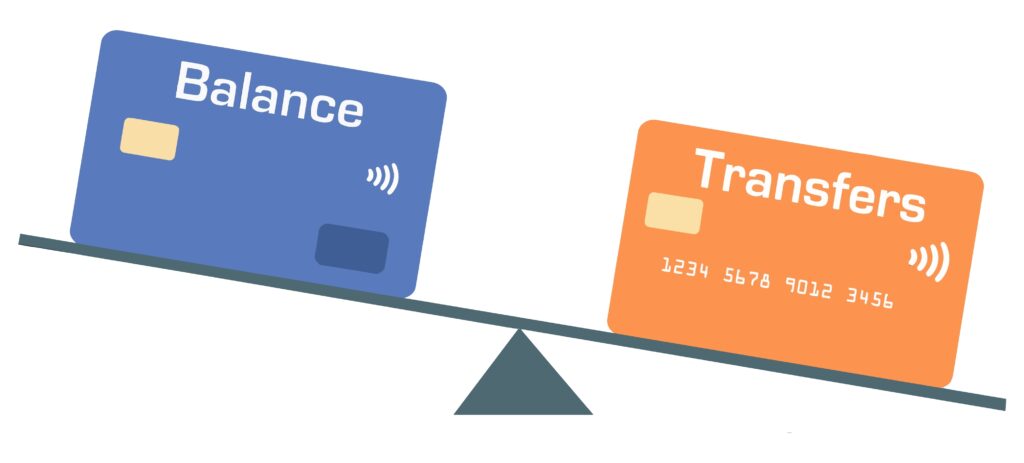
By consolidating debt onto one card, monthly payments can become more manageable. It’s essential to understand fees associated with transfers.
- Zero percent introductory periods: Ideal for reducing existing debt interest.
- Transfer fees: Often a percentage of the balance.
- Ideal for consolidation: Simplifies debt management.
Balance transfer cards help manage existing debt. They offer a promotional period with low or no interest on transferred balances.
0% purchase credit cards
0% purchase cards offer interest-free periods for new purchases. This is beneficial for planned expenses.
Cardholders can spread large purchases over several months. It’s crucial to pay off the balance before the introductory rate ends.
- Interest-free purchases: Cost-effective for large items.
- Fixed period: Often lasts several months.
- Budgeting tool: Allows phased payments.
Credit builder cards (for bad credit)
Credit builder cards target individuals with poor credit. They provide a chance to rebuild creditworthiness.
By managing small credit limits wisely, cardholders can improve their financial profile. Consistent, timely payments are key.
- Low credit limits: Manageable for new users.
- High interest rates: Keep balances minimal.
- Rebuild credit: Establish a positive payment history.
Travel credit cards
Travel credit cards cater to frequent travellers. They offer benefits such as no foreign transaction fees.
Cardholders may also earn travel points, redeemable for flights or hotels. Travel insurance might be an added perk.
- Foreign transaction perks: Avoid currency conversion costs.
- Travel rewards: Points for international spending.
- Insurance benefits: Coverage for trips.
Money transfer credit cards
Money transfer cards allow cardholders to transfer funds directly to their bank accounts. This provides flexibility in managing finances.
These cards may offer low introductory rates for a limited time. They can be useful for immediate cash needs.
- Direct transfers: Funds to bank accounts.
- Introductory offers: Often temporary interest-free periods.
- Flexibility: Access to cash when needed.
How many different types of credit cards are there?
Credit cards in the UK come in various forms. Each type serves distinct financial purposes. While most cards fall into broader categories, they often feature unique benefits tailored to specific needs.
Core Types:
Different card types cater to varied financial strategies.
- Rewards Cards: Offer perks for spending.
- Balance Transfer Cards: Help manage existing debts.
- Purchase Cards: Support interest-free buying.
- Credit Builder Cards: Improve poor credit history.
- Travel Cards: Ideal for international transactions.
- Money Transfer Cards: Enable direct bank transfers.
Understanding these types helps in selecting the right card for personal financial goals.
Eligibility: Who can get a credit card in the UK?
Eligibility for a credit card in the UK depends on several key factors. Credit card issuers assess applicants based on specific criteria. Meeting these conditions is crucial for approval.
Firstly, age is a fundamental requirement. Applicants must be at least 18 years old. Additionally, residency in the UK is typically necessary, with proof required during the application process.
Financial factors also play a significant role in eligibility. Credit history, income level, and employment status are scrutinised. A stable job and consistent income increase approval chances. However, each card issuer has unique evaluation criteria.
Key Eligibility Factors
- Minimum age: 18 years
- UK residency
- Employment status and income
- Credit history evaluation
Understanding these requirements can enhance the likelihood of obtaining a credit card. Make sure to review each issuer’s specific terms for a smooth application process.
How to apply for a credit card
Applying for a credit card in the UK is a straightforward process. Begin by choosing a card that fits your financial needs and lifestyle. Research the card’s features and benefits before proceeding.
Next, gather the necessary documentation. This typically includes proof of identity, address, and income. Having these documents ready can speed up the application process.
Once your documents are in order, complete the application. You can apply online, by phone, or in person at a bank branch. Online applications are usually quicker and more convenient.
Key Steps to Apply
- Research credit card options
- Gather required documents
- Submit your application online, by phone, or in person
Be sure to check your credit report before applying. This ensures there are no surprises that might affect your application outcome.
What do lenders consider when you apply?
Lenders evaluate several factors when reviewing credit card applications. Your credit score is a primary consideration. It reflects your history of managing credit responsibly.
Besides your credit score, lenders examine your income level. A stable income suggests you can manage repayments.
This, combined with your existing debt obligations, influences lender decisions.
Lenders also review your employment status. Being employed or self-employed consistently over time strengthens your application. Certain criteria ensure that lending to you represents minimal risk.
Key Considerations by Lenders
- Credit score
- Income level
- Employment status
Understanding these factors helps you prepare a stronger application. It’s essential to have your financial documentation updated and accurate.
How to compare credit cards and find the best offers
Comparing credit cards can seem daunting, but it’s crucial for finding the right fit. Start by identifying your financial priorities and needs. This could be rewards, low fees, or building credit. Use a credit card comparison to filter the best credit cards for your profile and highlight current credit card offers.
Once you’ve determined your priorities, examine the various offers available. Look for cards with competitive interest rates and appealing rewards programmes. Consider any ongoing promotions or introductory offers that might provide added value.
Factors to Compare
- Interest rates
- Rewards programmes
- Annual fees
Don’t forget to read user feedback and expert credit card reviews. They offer insights into customer satisfaction and card performance. Use comparison tools online to simplify the process. These tools can highlight differences and benefits, helping you make a sound decision.
Additional Considerations
- Introductory offers
- Customer service reputation
- Foreign transaction fees
If you come across information about international providers (for example, Wells Fargo credit cards in the US), remember that terms, protections, and eligibility can differ from the UK market. Focus on UK issuers when applying.
Credit card usage: tips for responsible management
Effective credit card usage is key to financial health. Always aim to pay your full balance each month. This avoids interest charges and keeps debt at bay.
Keeping track of your spending is also crucial. Regularly check statements to monitor expenses and detect any discrepancies. This habit helps in maintaining control over your finances.
Key Habits for Responsible Usage
- Set a monthly budget
- Avoid impulse purchases
- Pay more than the minimum payment
It’s beneficial to keep credit utilisation low, ideally below 30% of your total credit limit. A high utilisation ratio can negatively impact your credit score.
Monitoring your credit report regularly is another good practice. Understanding your credit profile will allow you to spot areas for improvement and maintain a healthy credit score.
Additional Tips
- Set up payment reminders
- Use alerts for reaching spending limits
- Prioritise clearing high-interest debt first
Following these tips will ensure that your credit card usage remains beneficial and manageable over time.
Credit card debt: risks and how to avoid it

Credit card debt can spiral quickly if not kept in check. High-interest rates can lead to mounting balances and financial strain.
To prevent debt accumulation, develop a repayment strategy. Make it a goal to pay off your balance in full each month. If that’s not possible, at least cover more than the minimum payment.
Common Risks Associated with Credit Card Debt
- Paying only the minimum: Leads to extended debt and more interest.
- Missed payments: Can incur fees and harm credit ratings.
- Multiple cards with balances: Increases the risk of overspending and debt growth.
Avoid using credit cards for non-essential purchases. Responsible budgeting ensures that you only charge what you can afford to pay back.
Strategies to Avoid Debt
- Create a debt repayment plan: Focus on the highest interest card first.
- Set a limit for credit card usage: Stay within a predefined budget.
- Consider a balance transfer: Lower interest with careful planning and execution.
These strategies help you maintain control over your finances and enjoy the benefits of credit cards without the downsides of credit card debt.
Credit cards vs loans: which is better?
Choosing between credit cards and loans depends on your financial situation and goals. Each option offers distinct advantages and may suit different needs.
Credit cards are ideal for flexible borrowing and short-term expenses. They provide access to a revolving credit line, allowing ongoing purchases as you repay. Many cards offer rewards and consumer protection benefits.
Loans, on the other hand, are better for large, planned expenses. With fixed terms and predictable payments, loans can simplify budgeting. Interest rates on loans are often lower, especially for secured loans.
Advantages of Credit Cards
- Flexibility: Buy now and pay later.
- Rewards: Earn points, cashback, or travel benefits.
- Consumer Protection: Fraud protection and purchase insurance.
Advantages of Loans
- Lower Interest Rates: Particularly for fixed and secured loans.
- Structured Repayment: Fixed terms for easier planning.
- Higher Borrowing Limits: Suitable for large-ticket items.
Assess your financial needs before deciding. If you require ongoing access to funds, a credit card may be best. For singular, significant expenses, a loan might offer more stability and cost savings. Understanding these differences ensures you make the most informed financial choice.
How many credit cards should I have?
The ideal number of credit cards varies by individual. It depends on personal financial goals and discipline. A common question is, “how many credit cards should I have?”
Owning multiple cards can enhance your credit score. It diversifies your credit mix and reduces credit utilisation. However, managing several cards requires caution to avoid overspending.
Considerations for Owning Multiple Credit Cards
- Financial Discipline: Can you manage paying multiple bills?
- Credit Utilisation: Keep your credit utilisation ratio low.
- Rewards Maximisation: Different cards may offer varied benefits.
Evaluate your financial habits and capacity to manage payments. A few well-chosen credit cards could enhance financial flexibility and improve your credit health if handled responsibly.
Frequently asked questions about credit cards in the UK
Navigating credit cards might feel overwhelming. Here, we address common questions about UK credit cards.
One frequent inquiry is about building credit. Using a card responsibly can boost your credit score over time.
Another question concerns eligibility criteria. Typically, applicants should be over 18, reside in the UK, and have a fair credit score.
People often ask about credit card fees. These can include annual fees, late payment penalties, and foreign transaction costs. Many also want to know where to find credit card offers and trustworthy credit card reviews before applying.
Common FAQs
- How to improve credit scores with a credit card?
- What factors affect credit card eligibility?
- What are the common fees associated with credit cards?
Understanding these points can help in managing credit cards efficiently and avoiding pitfalls.
Conclusion: Making the right choice for your finances
Credit cards offer flexibility but require careful handling. Weigh the benefits against potential drawbacks before making a decision.
Consider your spending habits and financial goals. Choose options that align with personal needs and repayment ability.
Key Considerations:
- Understand terms and fees before applying.
- Use credit cards to build and maintain your credit score.
- Evaluate whether a credit card or loan suits large expenses better.
Making informed decisions can protect your finances and support future stability. Remember, responsible usage is key.
Related links